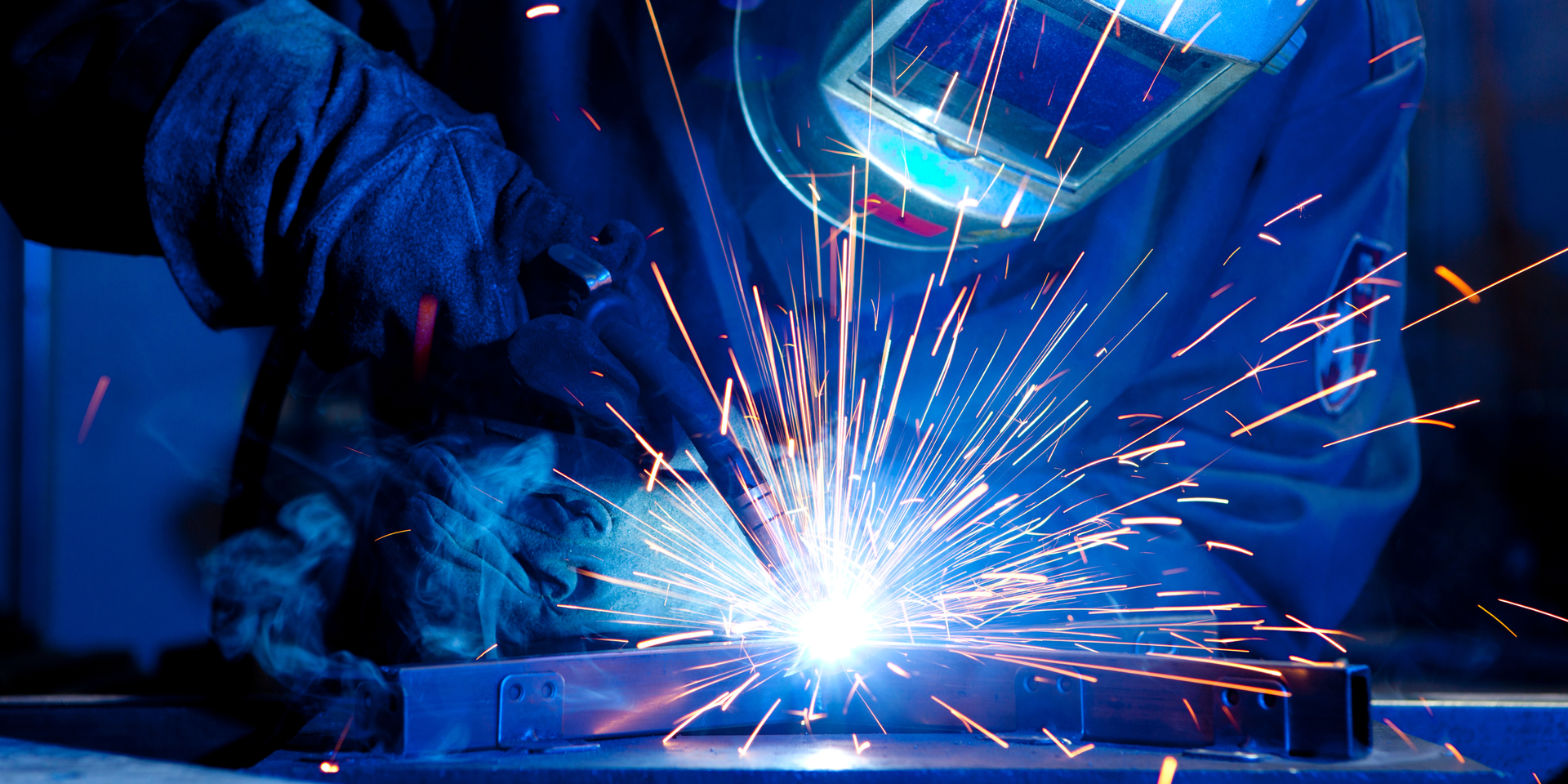
Structural Steel Inspection for Construction Projects
Structural steel is the backbone of modern construction, providing strength, durability, and flexibility for buildings, bridges, and industrial facilities. However, the reliability of any steel structure depends heavily on the quality of its materials, fabrication, and installation. This is where structural steel inspection becomes essential.
Cornerstone Inspection & Thermal (https://www.cornerstonendt.com/) delivers professional inspection services to ensure that every steel component used in construction meets the highest safety and quality standards. From fabrication to final installation, structural steel inspection plays a critical role in preventing failures, ensuring compliance, and extending the lifespan of structures.
What is Structural Steel Inspection?
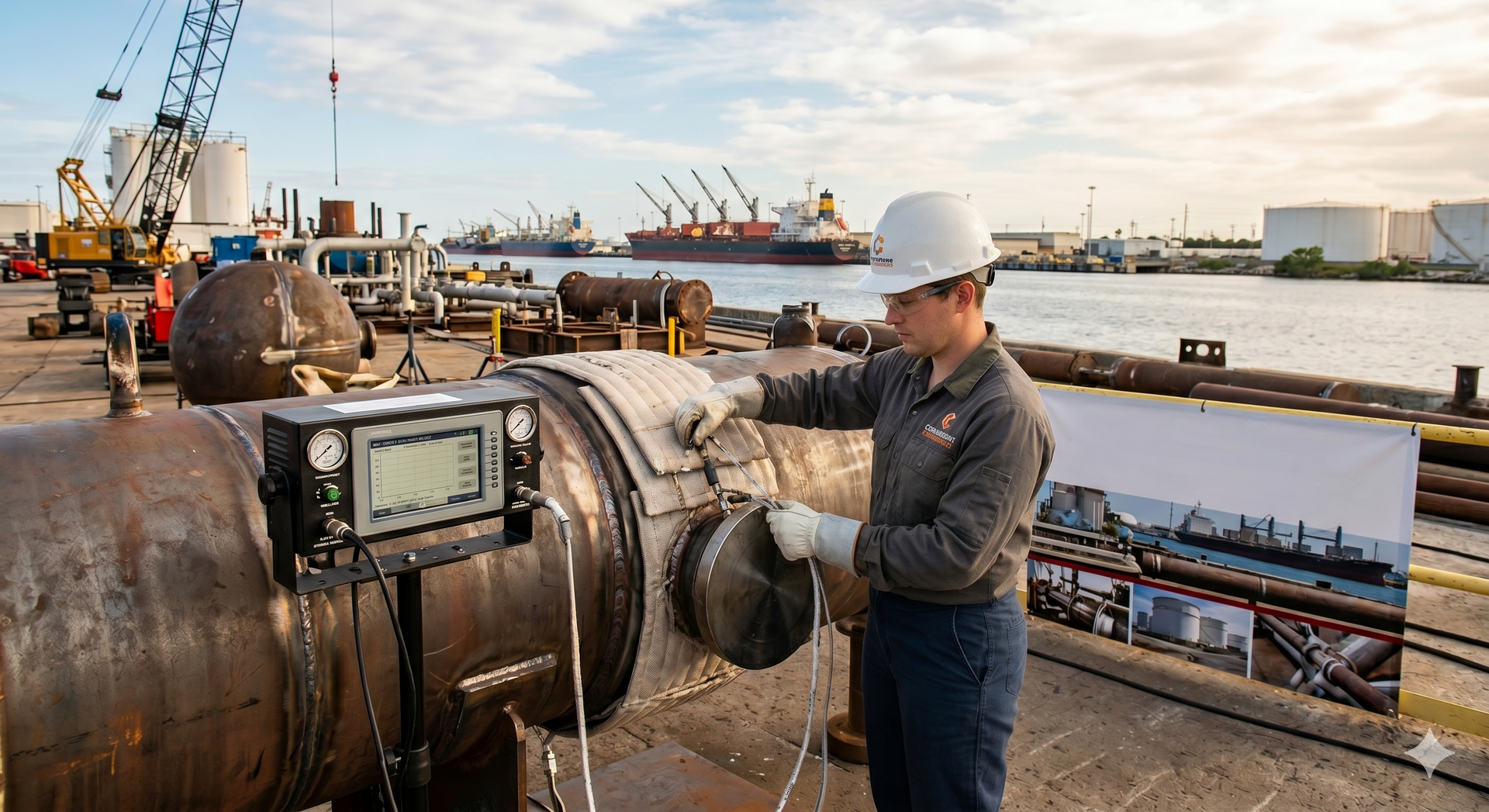
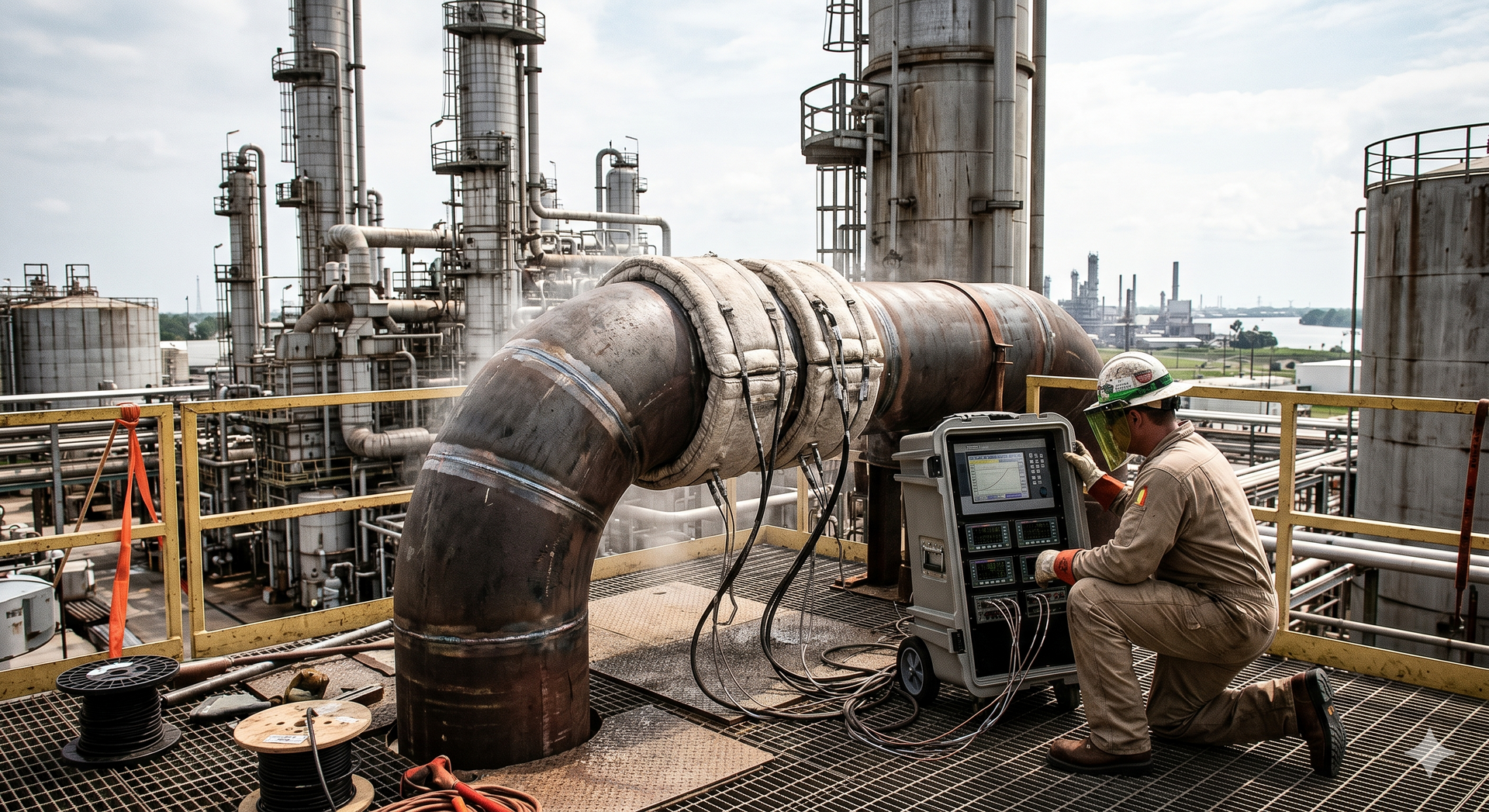
Structural steel inspection is the process of evaluating steel components, welds, and connections to ensure they meet project specifications, industry standards, and safety requirements. These inspections are conducted at various stages of a construction project, including fabrication, erection, and post-installation.
The goal is to verify that all materials and workmanship align with design requirements and that no defects compromise the integrity of the structure.
Importance of Structural Steel Inspection
Structural steel is often used in high-load and safety-critical applications. Any defect, whether in the material or welds, can lead to serious consequences. Inspection ensures:
- Safety: Prevents structural failures that could endanger lives
- Compliance: Meets building codes and industry standards
- Quality Assurance: Ensures proper fabrication and installation
- Cost Savings: Identifies issues early before they require costly repairs
- Longevity: Extends the service life of the structure
Without proper inspection, even minor defects can escalate into major structural problems over time.
Key Stages of Structural Steel Inspection
Structural steel inspection is not a one-time process. It is performed throughout the lifecycle of a construction project.
1. Pre-Fabrication Inspection
Before fabrication begins, inspectors verify that the raw materials meet required specifications. This includes checking:
- Steel grade and certification
- Material dimensions and properties
- Compliance with project requirements
This step ensures that only high-quality materials are used from the start.
2. Fabrication Inspection
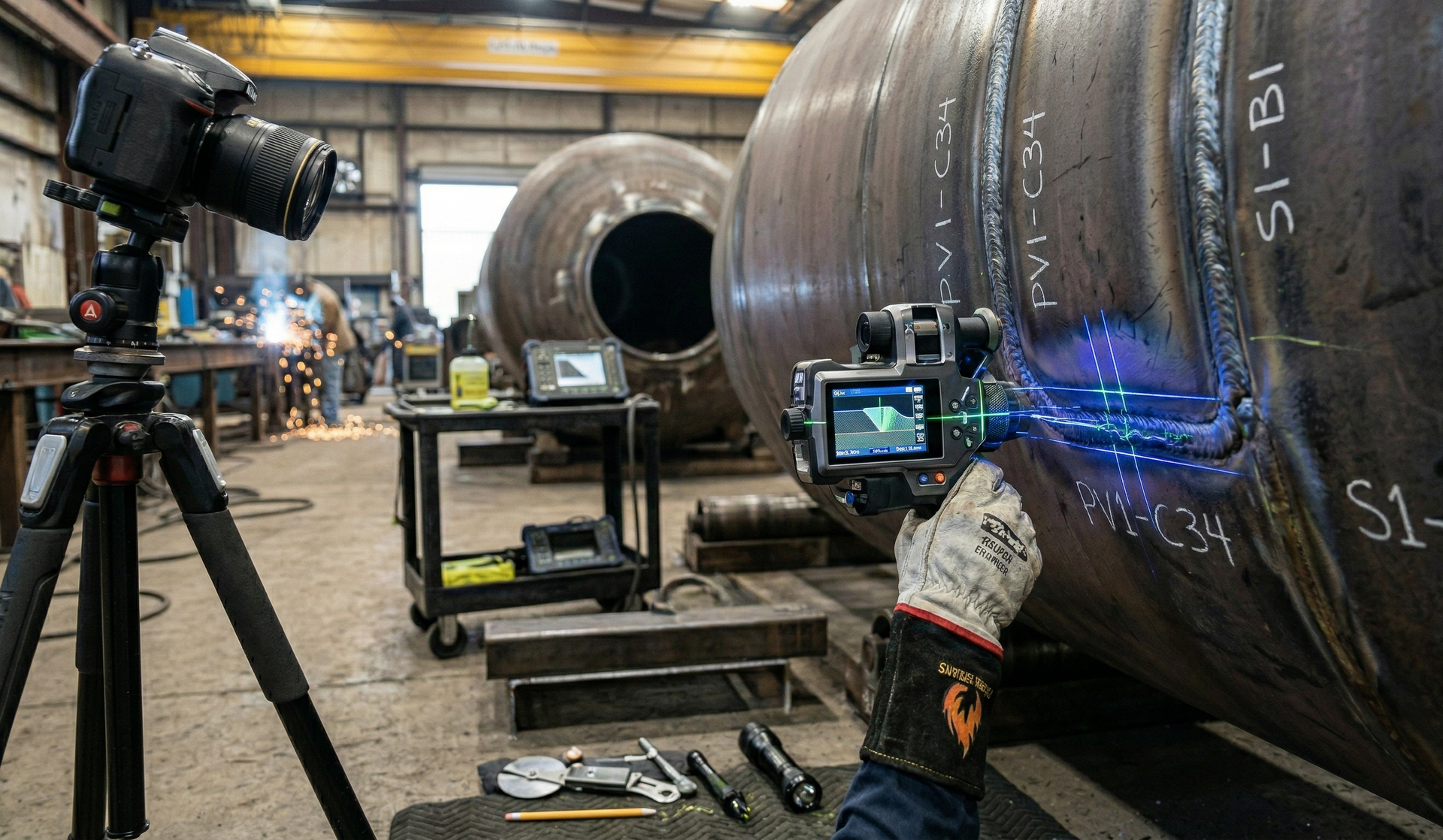
During fabrication, inspectors monitor processes such as cutting, welding, and assembly. Key checks include:
- Weld quality and compliance with standards
- Proper alignment and fit-up of components
- Dimensional accuracy
Non-Destructive Testing (NDT) methods are often used during this stage to detect internal defects.
3. Erection Inspection
Once steel components are transported to the construction site, inspectors evaluate their installation. This includes:
- Proper alignment and positioning
- Bolt tensioning and connection integrity
- Field weld quality
Ensuring correct installation is critical to maintaining structural integrity.
4. Final Inspection
After installation is complete, a final inspection confirms that the structure meets all design and safety requirements. This includes a comprehensive review of all components, welds, and connections.
Common Defects in Structural Steel
Structural steel inspection focuses on identifying defects that could compromise safety or performance. Common issues include:
- Weld Defects: Cracks, porosity, incomplete fusion, or slag inclusions
- Material Defects: Laminations, voids, or impurities in the steel
- Corrosion: Rust or environmental damage affecting durability
- Misalignment: Improper positioning of components
- Bolt Issues: Improper tightening or missing fasteners
Detecting these issues early helps prevent costly repairs and ensures compliance with standards.
Non-Destructive Testing in Structural Steel Inspection
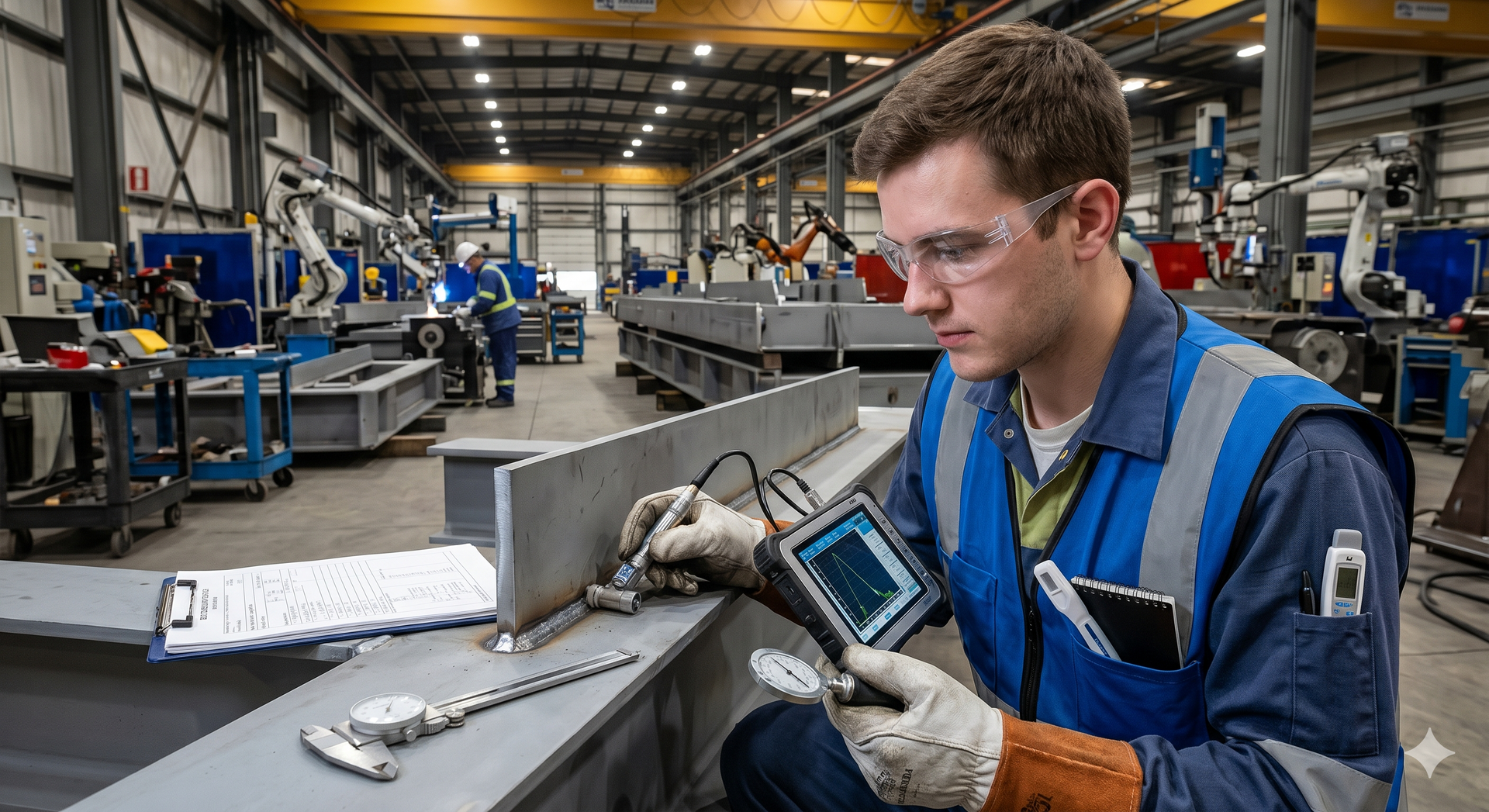
Non-Destructive Testing (NDT) is a critical component of structural steel inspection. It allows inspectors to evaluate materials without causing damage.
Common NDT Methods Used
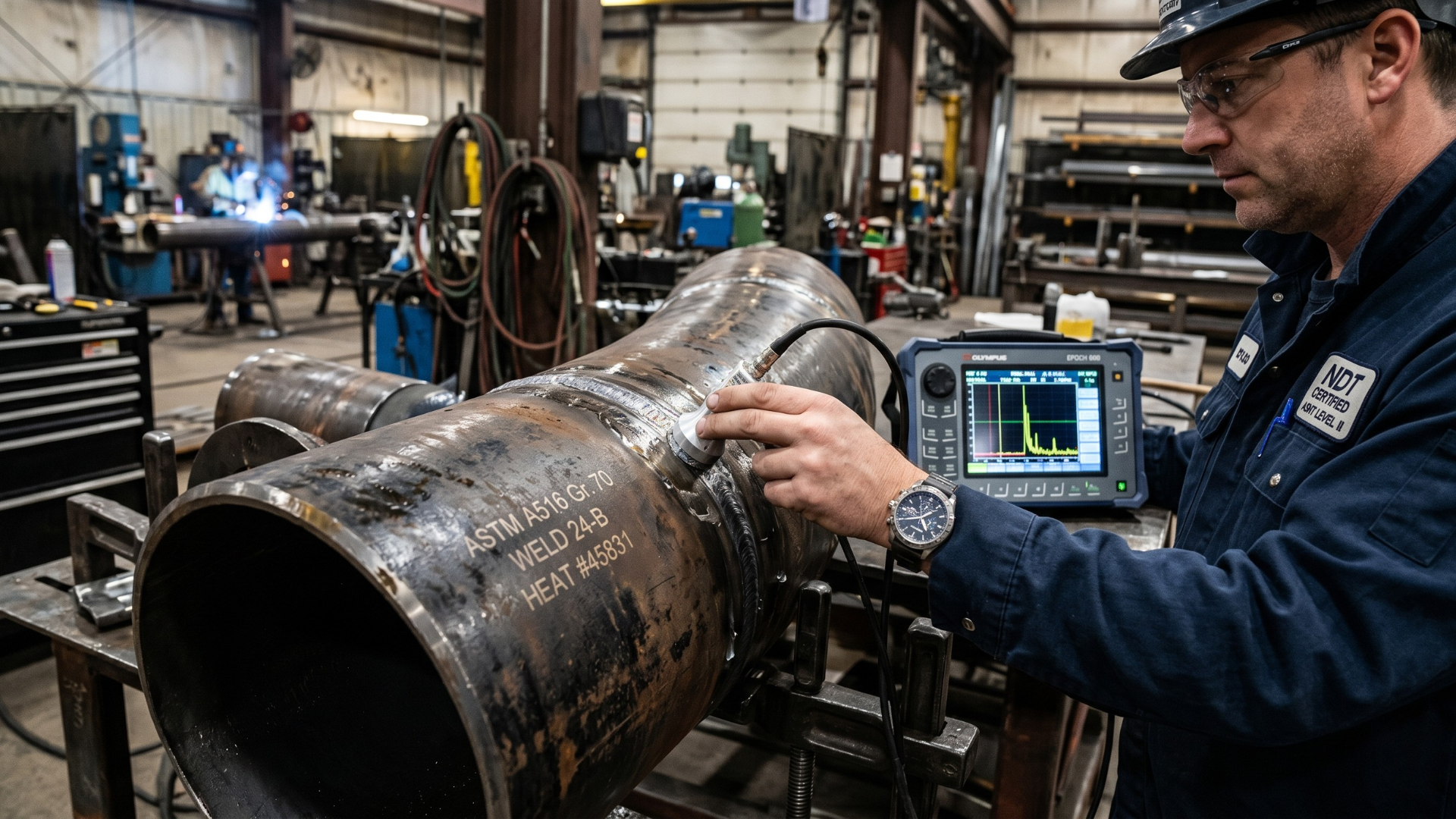
1. Ultrasonic Testing (UT)
Detects internal flaws such as cracks or voids in steel components.
2. Radiographic Testing (RT)
Provides detailed images of internal structures using X-rays or gamma rays.
3. Magnetic Particle Testing (MT)
Identifies surface and near-surface defects in ferromagnetic materials. .
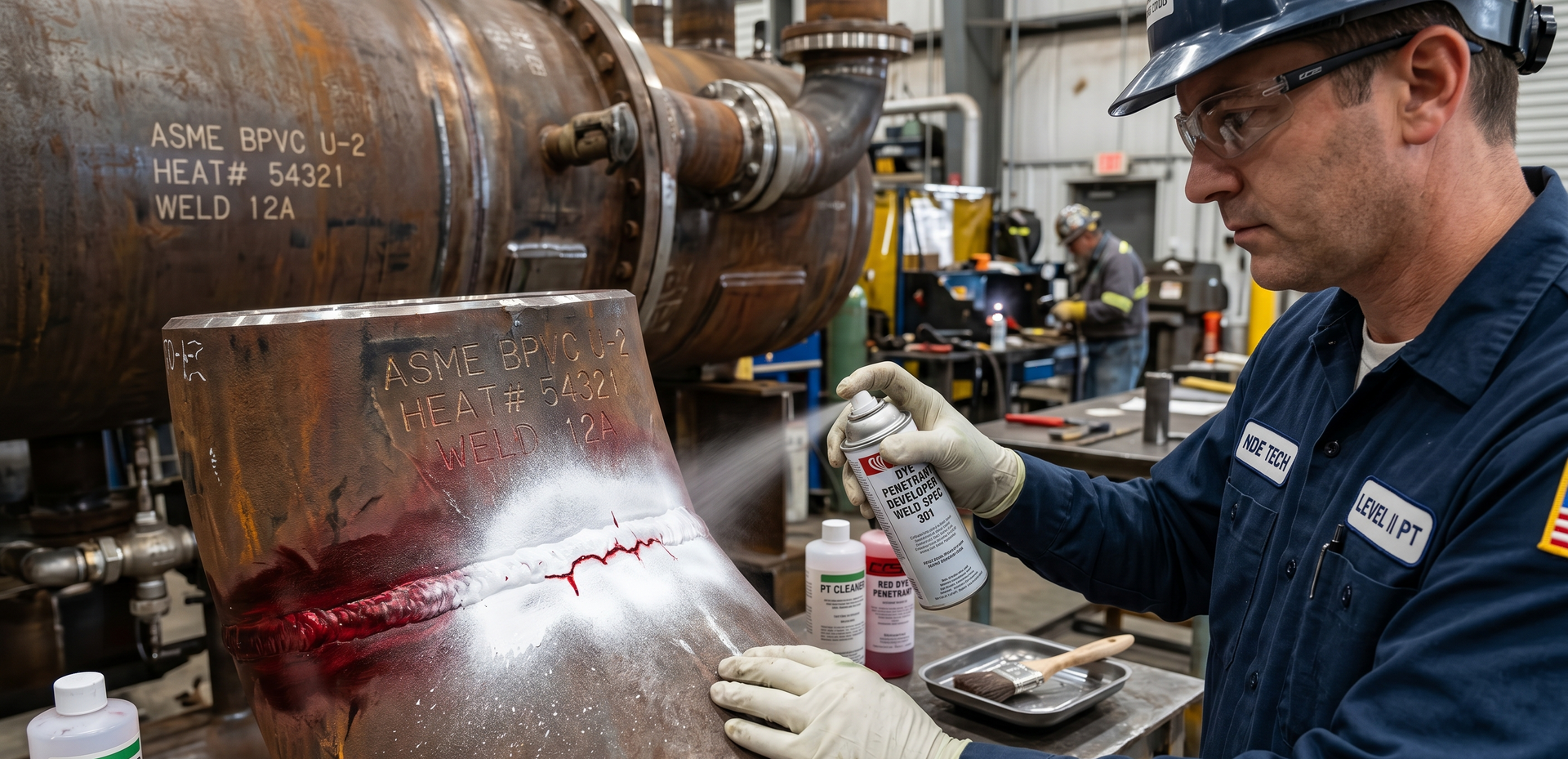
4. Dye Penetrant Testing (PT)
Highlights surface cracks using a liquid dye.
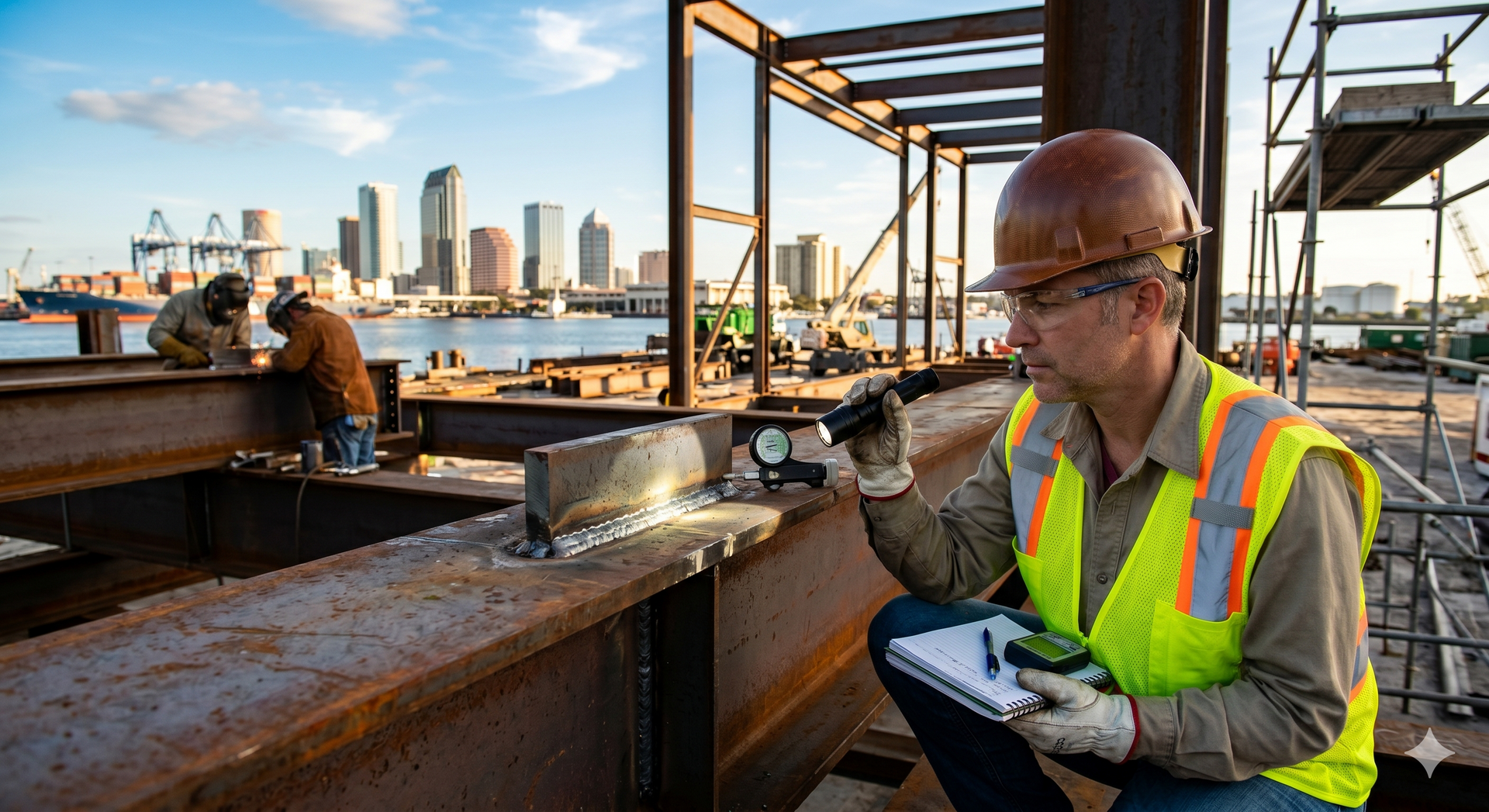
5. Visual Inspection (VI)
Serves as the first step to identify visible defects.
Each method plays a unique role in ensuring the overall integrity of the structure.
Industry Standards and Compliance
Structural steel inspection must adhere to strict industry standards to ensure safety and reliability. Key standards include:
- American Institute of Steel Construction (AISC)
Provides guidelines for steel design, fabrication, and inspection - American Welding Society (AWS)
Sets standards for welding procedures and inspection - ASTM International
Defines material specifications and testing methods - Occupational Safety and Health Administration (OSHA)
Ensures safe working conditions during construction.
Compliance with these standards is essential for project approval and long-term performance.
Role of Certified Inspectors
Structural steel inspection requires highly trained and certified professionals. Inspectors must have expertise in:
- Reading and interpreting engineering drawings
- Identifying defects and inconsistencies
- Operating advanced NDT equipment
- Ensuring compliance with industry standards
Certifications such as AWS Certified Welding Inspector (CWI) and NDT Level II or III ensure that inspectors are qualified to perform accurate and reliable evaluations.
Benefits of Professional Structural Steel Inspection
Working with a professional inspection company like Cornerstone Inspection & Thermal offers numerous advantages:
Accurate Assessments: Advanced tools and expertise ensure precise evaluations
Risk Reduction: Early detection of defects prevents failures
Regulatory Compliance: Meets all applicable standards and codes
Improved Project Efficiency: Minimizes delays caused by rework
Comprehensive Reporting: Detailed documentation for quality assurance
Professional inspection services provide peace of mind and help ensure project success.
Real-World Applications
Commercial Construction
Office buildings, shopping centers, and high-rise structures rely heavily on structural steel. Inspection ensures that all components meet safety and design requirements.
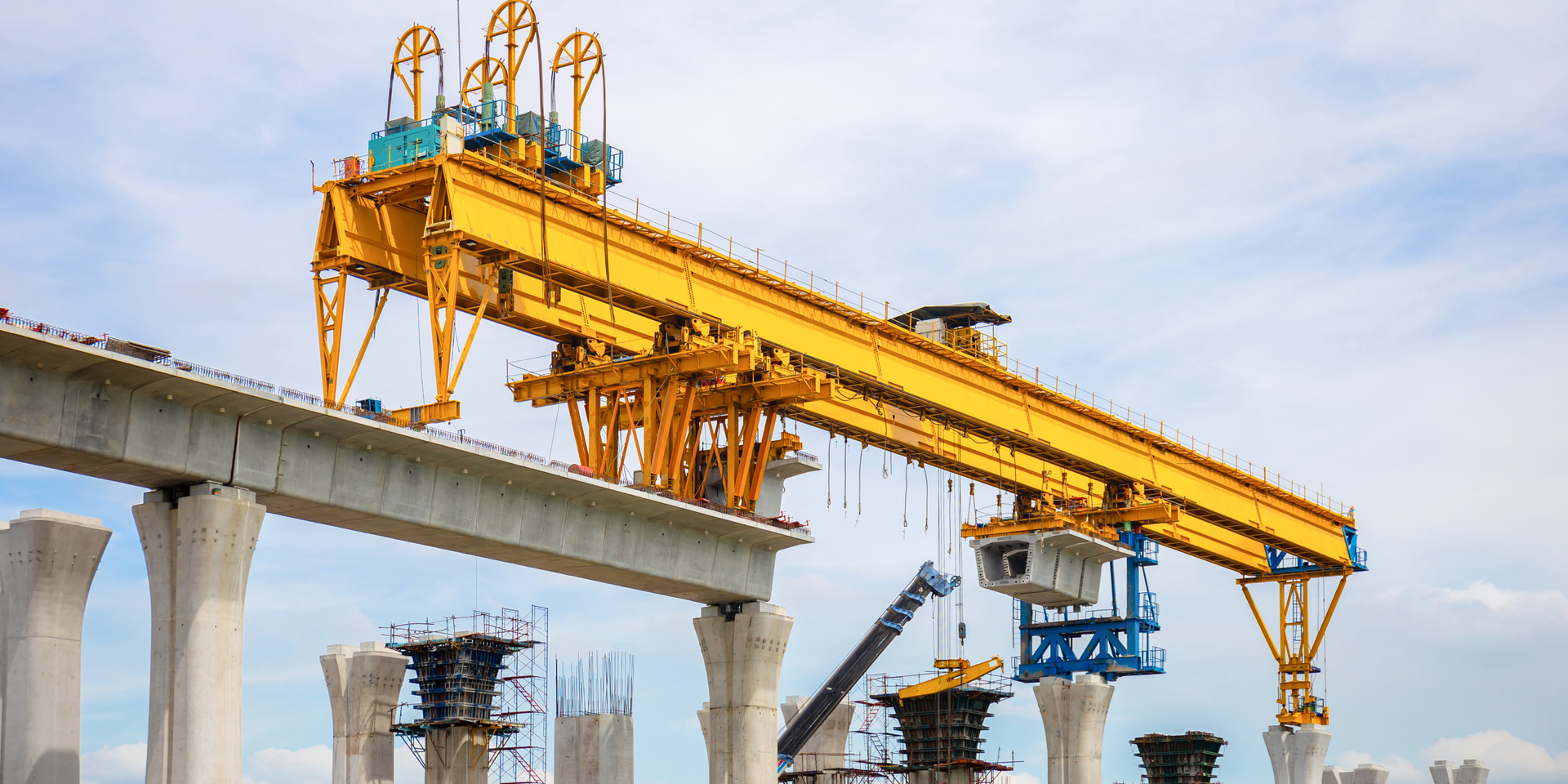
Bridge Construction
Bridges are subjected to dynamic loads and environmental stress. Structural steel inspection ensures that beams, cables, and connections can withstand these conditions.
Industrial Facilities
Factories, warehouses, and power plants require robust steel structures. Inspection ensures that these facilities operate safely and efficiently.
Why Choose Cornerstone Inspection & Thermal?
Cornerstone Inspection & Thermal is a trusted provider of structural steel inspection services. With extensive experience and a commitment to quality, the company ensures that every project meets the highest standards.
Services include:
- Comprehensive structural steel inspections at all project stages
- Advanced NDT methods for accurate defect detection
- Certified inspectors with industry expertise
- Detailed reports with actionable recommendations
- Customized solutions tailored to project requirements
By partnering with Cornerstone Inspection & Thermal, clients gain access to reliable inspection services that prioritize safety, quality, and compliance.
Contact Cornerstone Inspection & Thermal
Ensure your construction project meets the highest standards with professional structural steel inspection services.
Phone: 225-235-4472
Email: terry@cornerstonendt.com
Website: https://www.cornerstonendt.com
Conclusion
Structural steel inspection is a critical component of any construction project. From material selection to final installation, thorough inspection ensures safety, compliance, and long-term performance.
By identifying defects early and using advanced NDT methods, inspectors can prevent costly repairs and ensure that structures meet all design and safety requirements.
Partnering with a trusted provider like Cornerstone Inspection & Thermal ensures that your project benefits from expert inspection services, advanced technology, and a commitment to excellence. With the right team in place, you can build with confidence, knowing that your structure is safe, reliable, and built to last.