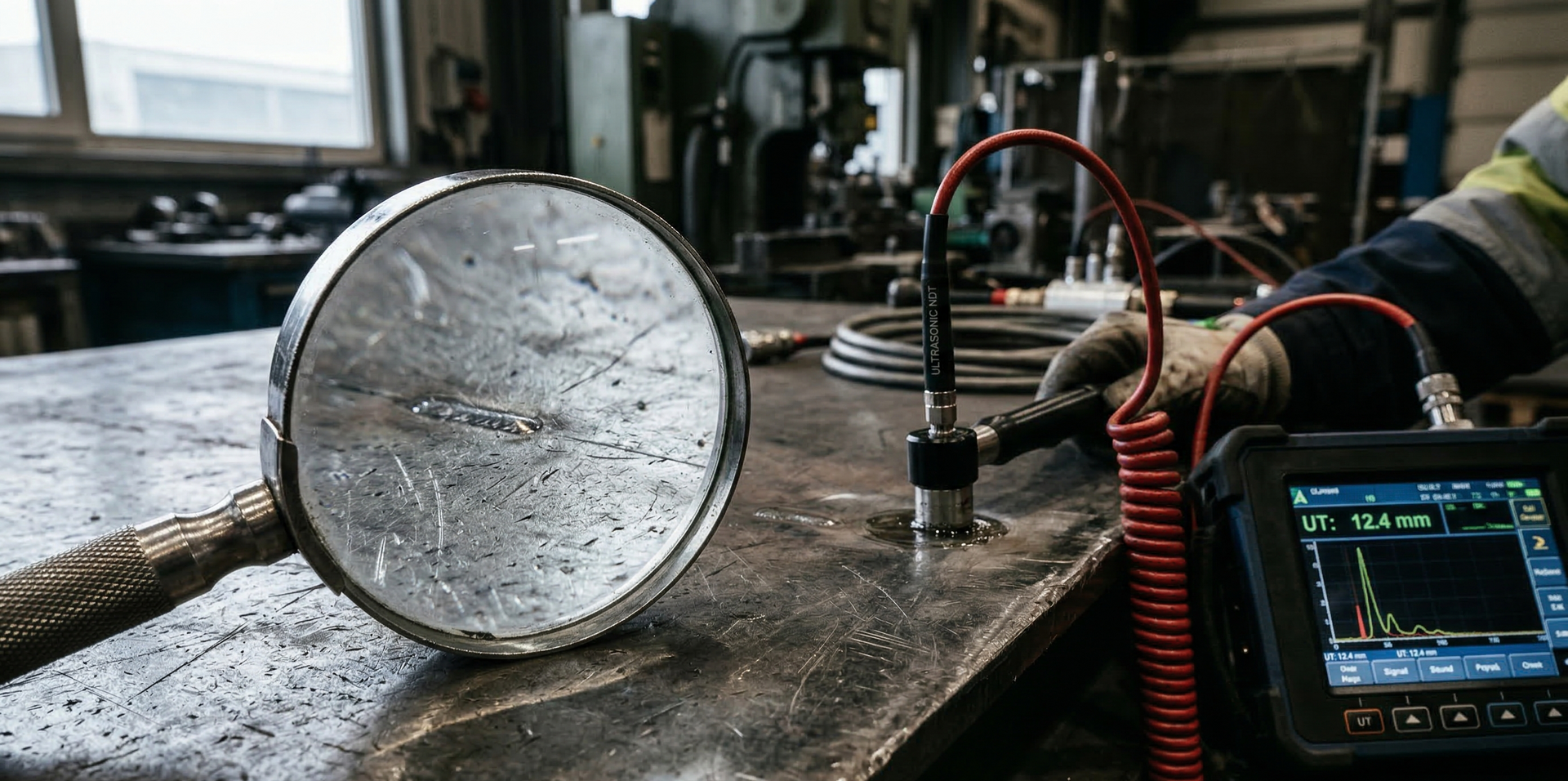
Post Weld Heat Treatment (PWHT) in Tampa, FL: Enhancing Weld Reliability for Coastal and High-Stress Environments
In Tampa, Florida, industrial growth continues to accelerate across marine operations, construction, manufacturing, and energy infrastructure. With this expansion comes a critical need for welding processes that can withstand demanding environments. One of the most important steps in ensuring long-term weld performance is Post Weld Heat Treatment (PWHT).
For companies operating in Tampa, FL, PWHT is not just a technical add-on. It is a controlled engineering process that directly improves weld durability, reduces failure risks, and ensures compliance in critical applications exposed to coastal and operational stress.
Why PWHT Matters in Tampa’s Industrial Environment
Tampa’s location along the Gulf Coast creates a unique set of challenges for welded structures. Constant exposure to humidity, salt-laden air, and temperature fluctuations increases the likelihood of corrosion and material fatigue over time.
At the same time, industries such as shipbuilding, port logistics, and commercial construction
place heavy mechanical stress on welded joints.
Without proper treatment after welding, these conditions can lead to:
● Stress concentration in welded joints
● Accelerated corrosion in heat-affected zones
● Reduced fatigue resistance under load
● Premature cracking in high-stress areas
● Long-term structural instability
Post Weld Heat Treatment (PWHT) in Tampa, FL helps counter these risks by stabilizing the metal structure after welding and improving its ability to perform under real-world conditions.
What Happens During Post Weld Heat Treatment?
PWHT is a carefully controlled thermal process applied after welding is completed. The goal is
not to change the weld itself, but to refine the internal properties of the metal around it.
The process typically includes:
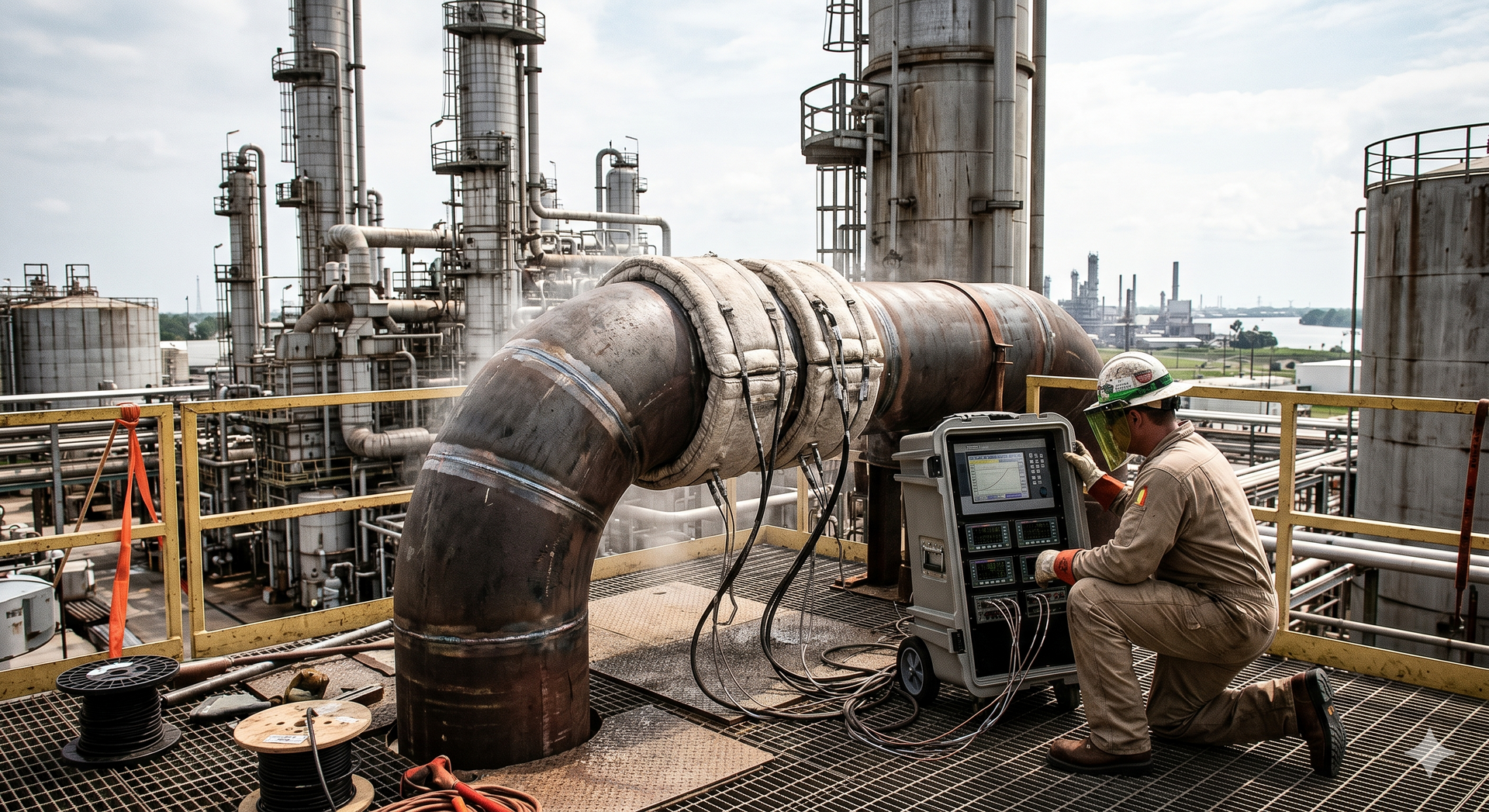
Controlled Heating Phase
The welded component is gradually heated to a specific temperature range based on material type and engineering requirements. This ensures even heat distribution and prevents thermal shock.
Soaking Phase
The material is held at a stable temperature for a set period. During this stage, internal stressescreated during welding begin to relax and redistribute evenly across the structure.
Controlled Cooling Phase
The component is slowly cooled under controlled conditions to prevent the formation of new stresses or unwanted microstructural changes.
Each phase must be precisely monitored to ensure compliance with engineering specifications and industry standards.
The Science Behind PWHT and Weld Stability
Welding introduces intense localized heat, which causes expansion and contraction in the surrounding material. This creates residual stress zones that are invisible but highly significant.
PWHT works by allowing the metal’s internal structure to realign and stabilize. This reduces hardness in critical areas while improving ductility and toughness.
In practical terms, this means:
● The weld becomes more flexible under stress
● The material is less likely to crack under load
● Long-term fatigue resistance is significantly improved
For Tampa industries dealing with constant environmental and mechanical stress, this stability is essential.
Industries in Tampa That Rely on PWHT
Marine and Shipbuilding
Vessels, docks, and offshore structures are constantly exposed to saltwater environments that accelerate corrosion. PWHT helps improve weld resilience in these conditions.
Port and Logistics Infrastructure
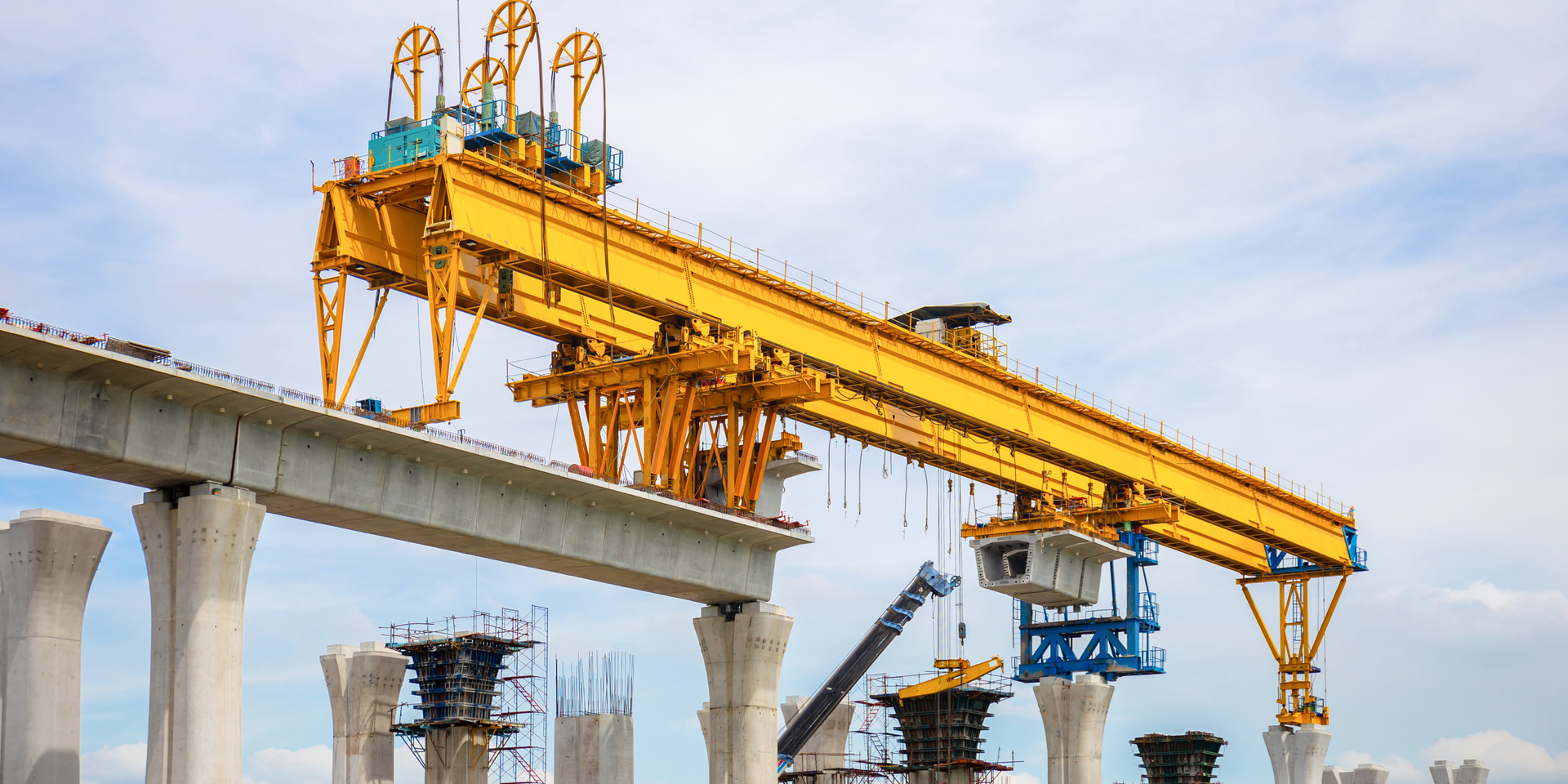
Cranes, loading systems, and steel frameworks experience repetitive stress cycles that require high weld durability.
Commercial Construction
High-rise buildings, parking structures, and steel frameworks benefit from improved weld stability and long-term structural safety.
Energy and Utility Systems
Power generation facilities and industrial energy systems rely on high-integrity welds to maintain safe and continuous operation.
Manufacturing and Fabrication
Heavy fabrication processes use PWHT to ensure that finished products meet strict performance and quality standards.
Benefits of Post Weld Heat Treatment (PWHT)
Reduced Residual Stress
PWHT significantly lowers internal stress levels caused by welding, reducing the risk of deformation or cracking.
Improved Mechanical Performance
The process enhances toughness and ductility, allowing welded components to better absorb stress.
Increased Resistance to Failure
Properly treated welds are far less likely to fail under cyclic loading or environmental pressure.
Better Long-Term Durability
PWHT extends the operational lifespan of welded structures and reduces maintenance frequency.
Compliance with Engineering Standards
Many industrial codes require PWHT for specific materials and pressure-rated systems.
What Happens If PWHT Is Not Performed?
Skipping PWHT in applications where it is required can create serious long-term risks, especially in Tampa’s demanding environment.
Potential consequences include:
● Sudden weld cracking under load
● Accelerated corrosion in critical areas
● Equipment downtime and production delays
● Safety hazards in high-pressure systems
● Non-compliance with regulatory standards
These risks make PWHT a necessary step in many industrial welding applications.
PWHT in Relation to Industry Standards
Post Weld Heat Treatment is often required by major engineering and safety codes, including:
● ASME Boiler and Pressure Vessel Code
● API standards for pipelines and refining systems
● AWS structural welding requirements
● Project-specific engineering specifications
In Tampa, where industrial operations must meet strict safety expectations, compliance with
these standards is essential.
When Should PWHT Be Applied?
PWHT is not required for every weld, but it becomes essential under specific conditions such as:
● Thick-walled pressure vessels or piping
● High-strength or alloy steel materials
● High-pressure or high-temperature systems
● Critical structural components
● Engineering or code-mandated applications
Proper evaluation is necessary to determine when PWHT should be included in the welding
process.
PWHT vs General Heat Treatment Processes
PWHT is often confused with other heat treatment methods, but it serves a very specific purpose.
● Annealing: Softens metal and improves machinability
● Normalizing: Refines grain structure for uniformity
● Tempering: Reduces brittleness after hardening
● PWHT: Specifically relieves welding-induced residual stress
This distinction is important when selecting the correct process for industrial applications.
Choosing a PWHT Service Provider in Tampa, FL
Not all providers have the expertise required to perform PWHT correctly. Precision, experience, and proper equipment are essential.
When selecting a provider, consider:
● Experience with industrial and marine environments
● Understanding of ASME and API requirements
● Controlled and calibrated heating systems
● Skilled technicians with welding and metallurgy knowledge
● Proven ability to handle complex industrial projects
In Tampa’s coastal and industrial environment, expertise directly impacts performance and
safety.
The Future of PWHT in Industrial Welding
Modern PWHT systems are becoming more advanced, offering improved accuracy and efficiency. Digital monitoring, automated temperature control, and real-time data tracking are transforming how heat treatment is performed.
For Tampa industries, these advancements mean:
● Greater consistency in weld performance
● Faster processing times
● Improved documentation and compliance tracking
● Reduced operational risk
As industrial demands grow, PWHT technology will continue to play a key role in maintaining
safe and reliable infrastructure.
Why PWHT Is a Strategic Investment
Post Weld Heat Treatment should not be viewed as an optional step or added expense. It is a long-term investment in structural reliability and operational safety.
By implementing PWHT, Tampa businesses benefit from:
● Fewer unexpected failures
● Reduced maintenance costs
● Improved asset longevity
● Stronger compliance assurance
● Enhanced system performance
In industries where downtime is costly, these advantages provide significant value.
Partner with Experts in Post Weld Heat Treatment (PWHT) in Tampa, FL
Weld quality does not end when the torch is turned off. It continues through the post-weld process, where structural integrity is refined and stabilized. Professional Post Weld Heat
Treatment (PWHT) in Tampa, FL ensures that your welded components are ready to perform under real-world industrial conditions.
Whether you are working in marine infrastructure, construction, or energy systems, PWHT is a critical step in protecting your investment.
Contact Us Today
Ensure your welded systems are strong, stable, and built for long-term performance with expert PWHT services.
Contact us today:
Phone: 225-235-4472
Email: terry@cornerstonendt.com
Our Locations:
● Tampa, FL: 813-790-2433
● Cape Canaveral, FL: 321-486-7481
● Houston, TX: 713-510-5890
● Baton Rouge, LA: 225-235-4472
Call now to schedule your Post Weld Heat Treatment (PWHT) services in Tampa, FL and ensure your welds are engineered for strength, safety, and long-term reliability.