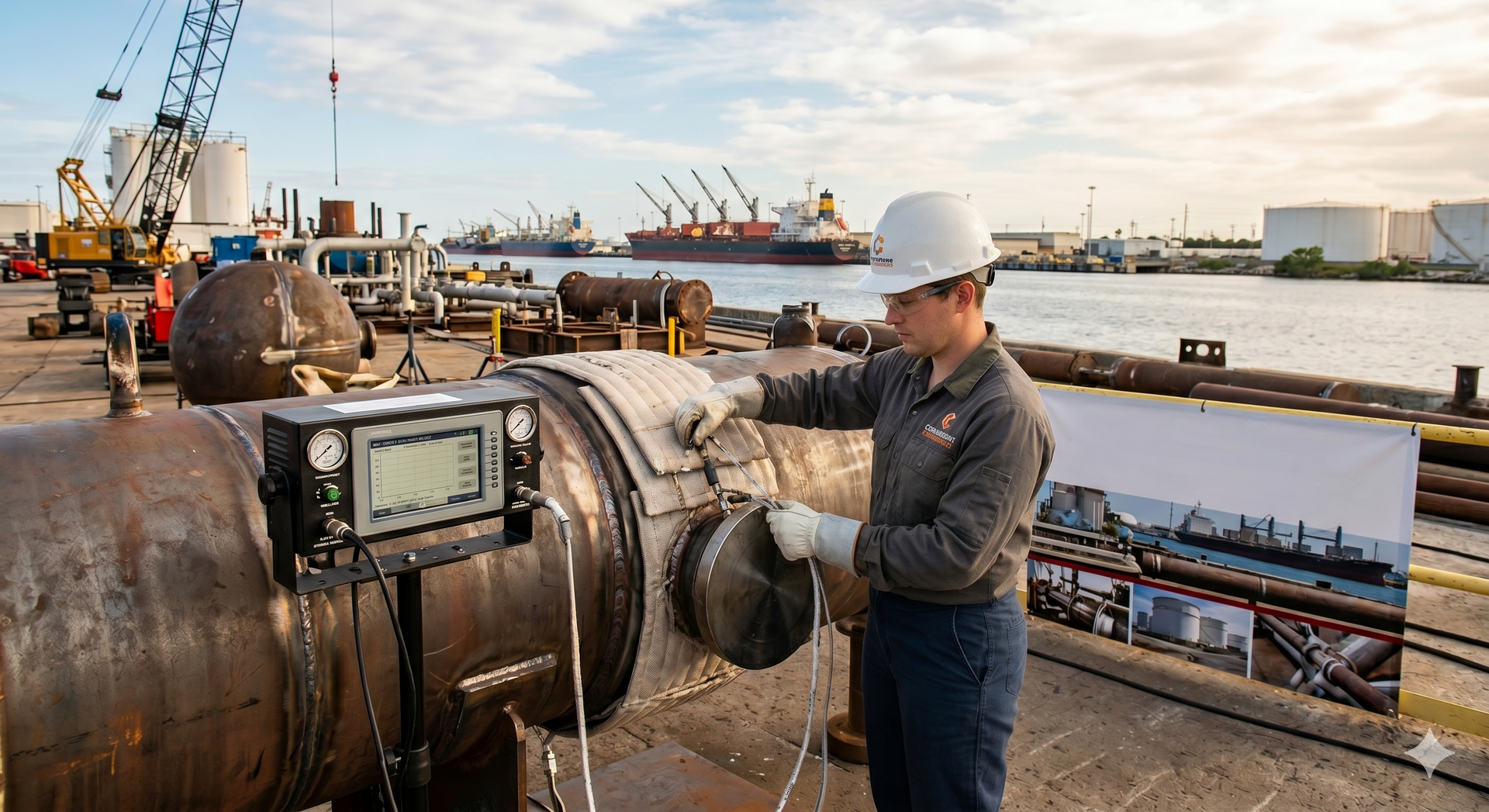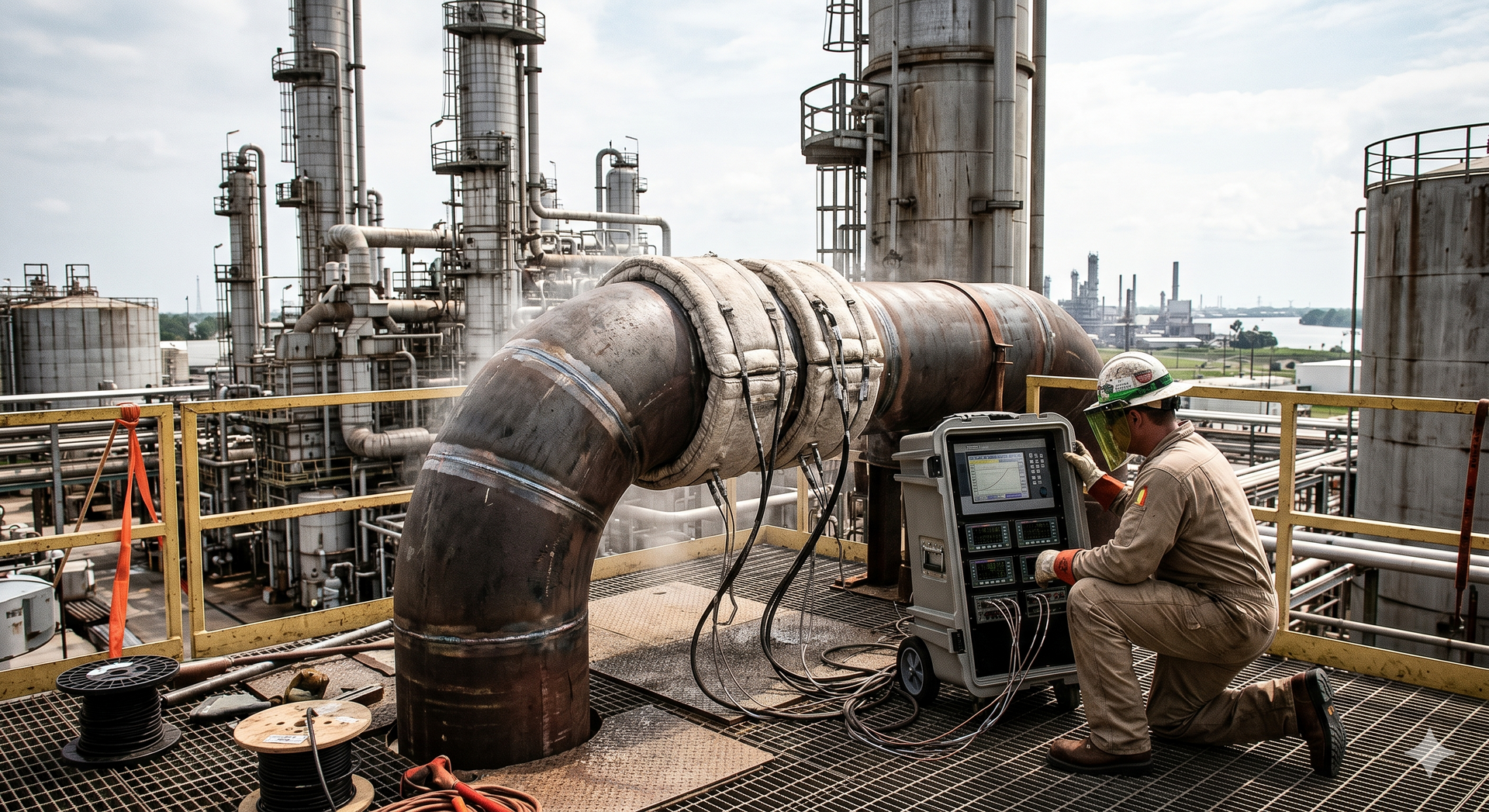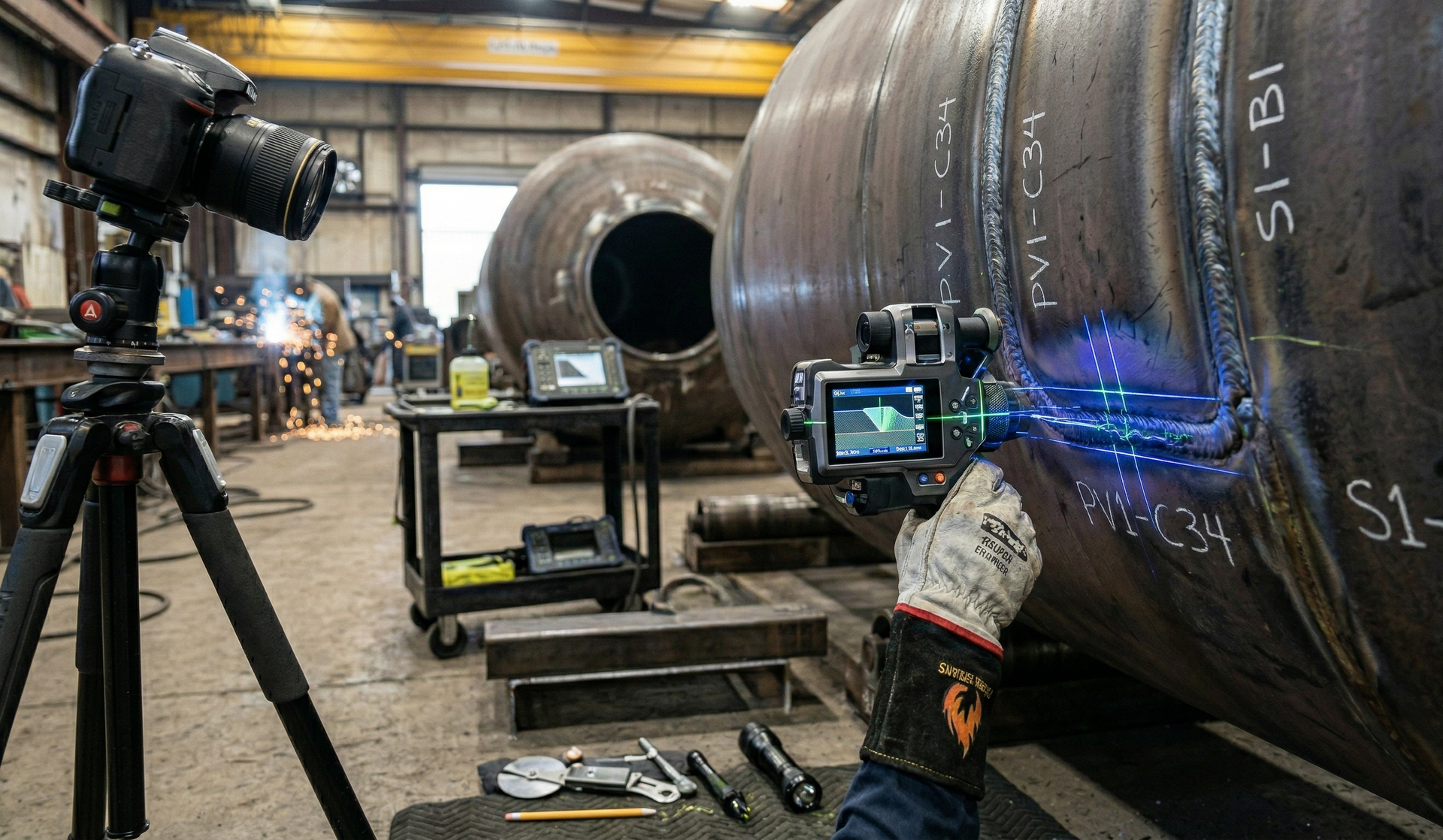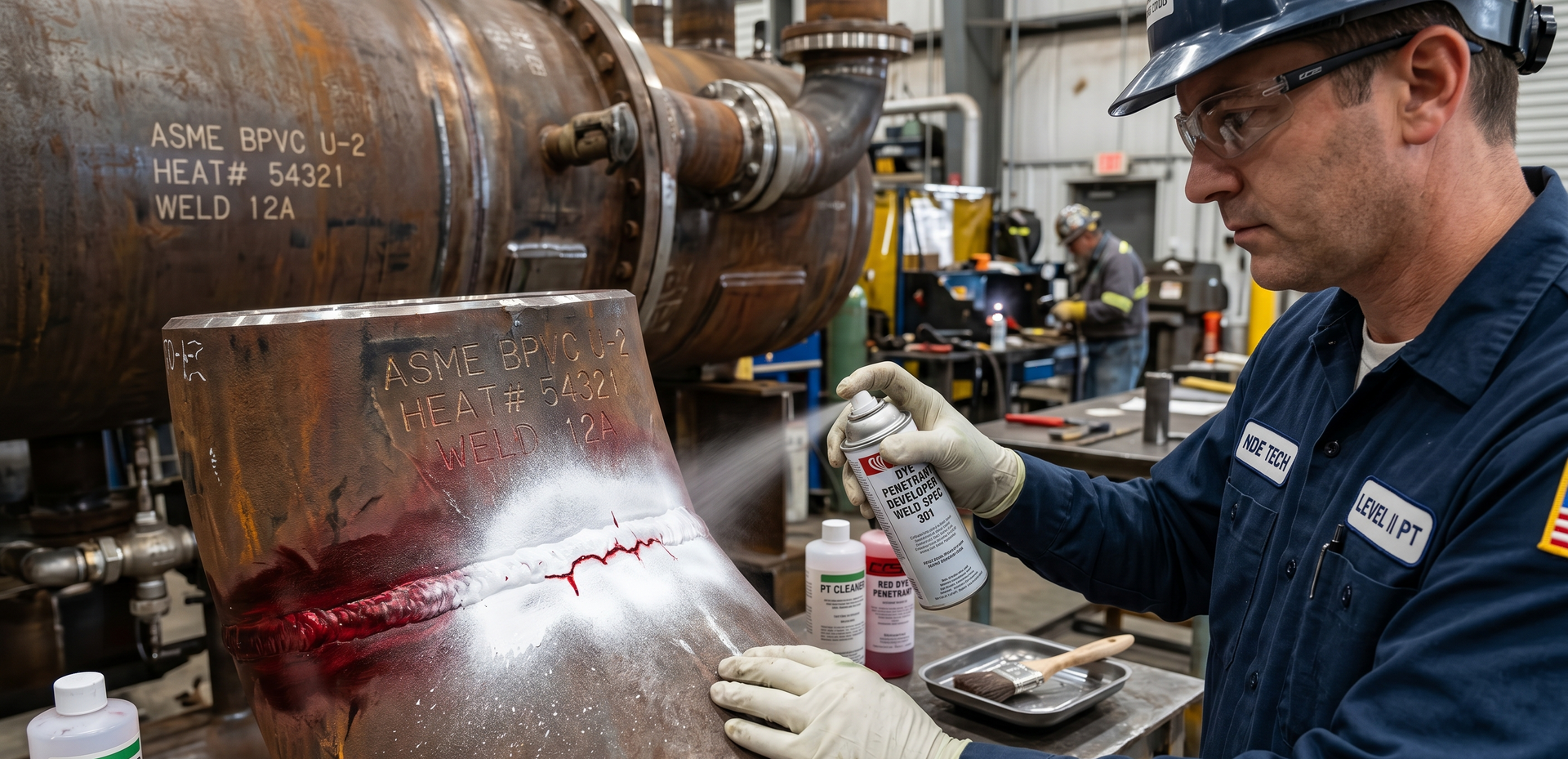
What is NDT for Bridge Construction?
Cornerstone Inspection & Thermal (https://www.cornerstonendt.com/) specializes in delivering advanced Non-Destructive Testing (NDT) services for bridge construction projects, ensuring safety, compliance, and longevity. In the world of modern civil engineering, bridges are among the most critical structures, carrying massive loads daily. Ensuring their integrity requires precise evaluation methods that do not compromise the structure itself. This is where NDT plays a vital role.
Understanding Non-Destructive Testing (NDT)
Non-Destructive Testing, or NDT, is a group of techniques used to evaluate the properties of materials, components, or structures without causing damage. Unlike destructive testing, NDT allows engineers to inspect materials, detect defects, and assess structural integrity while leaving the bridge fully operational.
For bridges, this approach is particularly essential because bridges are subject to:
- Dynamic loads from vehicles and trains
- Environmental stressors, including humidity, corrosion, and temperature fluctuations
- Aging and material fatigue over time
NDT ensures that any underlying issues are detected before they evolve into critical failures, reducing the risk of accidents and costly repairs.
Common NDT Methods Used in Bridge Construction
Several NDT methods are widely used in the inspection of bridges, each offering unique advantages depending on the material and location being tested. Key methods include:
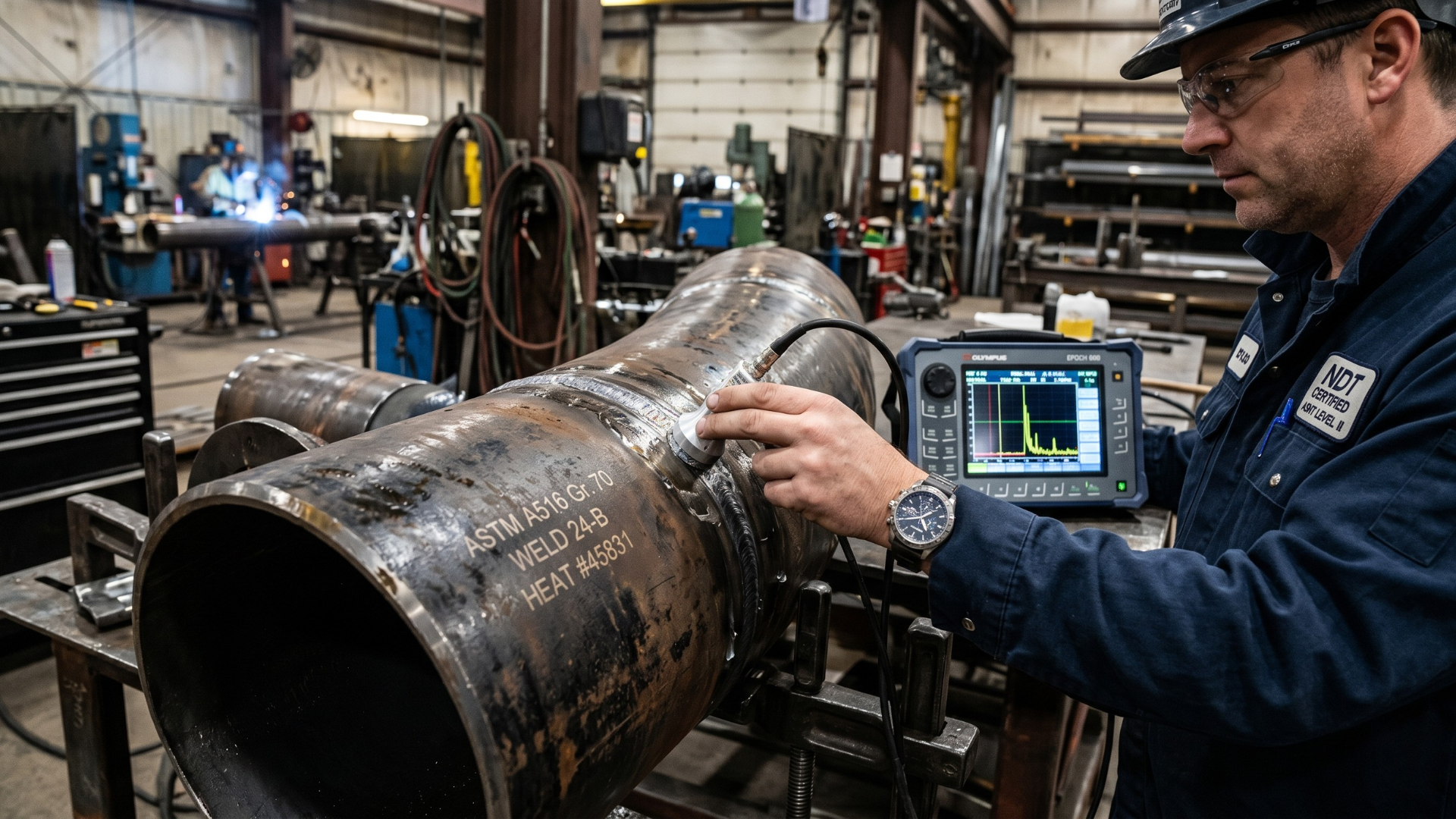
1. Ultrasonic Testing (UT)
○ Uses high-frequency sound waves to detect internal defects
○ Ideal for identifying cracks, voids, and inclusions in steel or concrete elements
2. Magnetic Particle Testing (MT)
○ Detects surface and slightly subsurface defects in ferromagnetic materials
○ Effective for inspecting welds and steel components
3. Radiographic Testing (RT)
○ Employs X-rays or gamma rays to reveal internal flaws
○ Often used on critical steel structures or complex welds
4. Eddy Current Testing (ECT)
○ Uses electromagnetic induction to detect surface and near-surface flaws
○ Suitable for conductive materials like steel cables and reinforcements
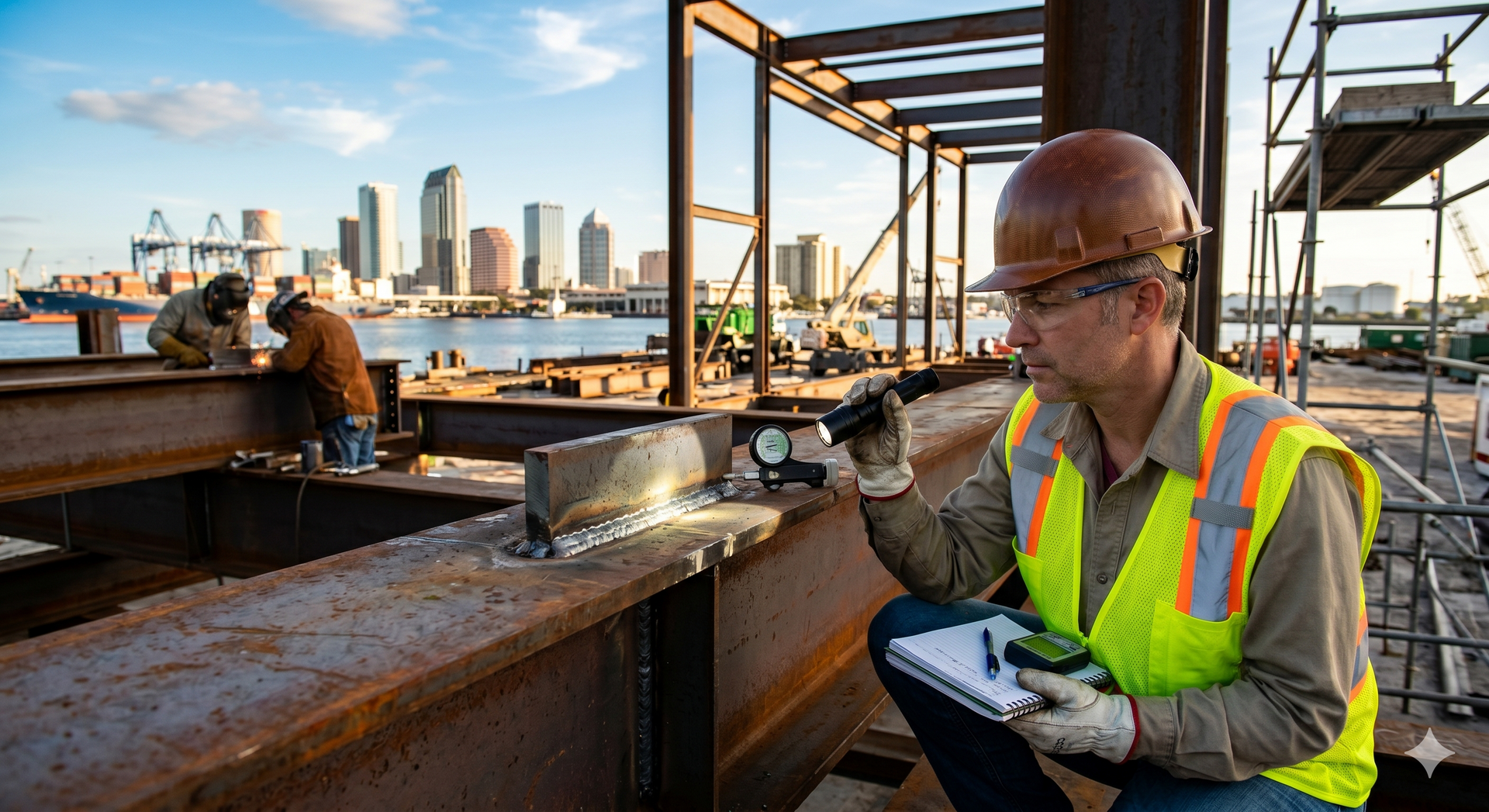
5. Visual Inspection (VI)
○ The most basic NDT method, yet crucial for identifying obvious cracks, corrosion, and deformation
○ Often combined with other methods for a comprehensive assessment
Benefits of NDT in Bridge Construction
Implementing NDT in bridge construction provides numerous advantages:
- Safety Enhancement: Detects potential failures early, preventing accidents
- Cost Efficiency: Reduces the need for destructive testing and unexpected repairs
- Compliance: Meets state and federal standards for bridge inspections in the U.S.
- Longevity: Supports proactive maintenance, extending the bridge’s service life
- Data Accuracy: Offers precise measurements for engineering decisions
Regulatory Requirements and Standards
Bridge construction and maintenance in the United States, including Florida, are governed by strict standards. NDT practices must comply with:
- ASTM International Standards: Provides specific procedures for ultrasonic, radiographic, and magnetic testing
- American Association of State Highway and Transportation Officials (AASHTO): Guides bridge design, inspection, and maintenance
- Federal Highway Administration (FHWA): Offers safety protocols and inspection frequency requirements
Adhering to these standards ensures not only compliance but also public safety and structural reliability.
Real-World Applications of NDT in Bridges
NDT is applied at multiple stages of bridge construction and maintenance:
1. Pre-Construction Testing
○ Evaluates material quality before use in bridge construction
○ Prevents installation of defective steel beams or concrete elements
2. During Construction
○ Inspects welds, joints, and critical connections
○ Detects issues early, allowing for immediate corrective action
3. Routine Maintenance Inspections
○ Monitors aging bridges for fatigue, corrosion, or crack propagation
○ Helps prioritize repairs based on real-time structural health data
4. Post-Incident Assessment
○ After events like collisions or natural disasters, NDT determines whether structural elements remain safe
Choosing the Right NDT Provider
Selecting a professional NDT service provider is critical for bridge construction projects. Cornerstone Inspection & Thermal offers:
- Experienced NDT technicians certified in multiple methods
- Advanced equipment for precise testing
- Compliance with ASTM, AASHTO, and FHWA standards
- Detailed reports with actionable recommendations
By partnering with a professional team, engineers and contractors can make informed decisions, reduce risks, and ensure project success.
Why Cornerstone Inspection & Thermal?
Cornerstone Inspection & Thermal has a proven track record in NDT for bridge construction across Florida and surrounding regions. Our commitment to excellence ensures that every bridge inspected meets the highest safety and quality standards. Services include:
- Ultrasonic, radiographic, magnetic particle, eddy current, and visual inspections
- On-site consultation and reporting
- Customized inspection plans to fit project requirements
For more information or to schedule an NDT assessment for your bridge project, contact us today:
Phone: 225-235-4472
Email: terry@cornerstonendt.com
Website: https://www.cornerstonendt.com
Conclusion
Non-Destructive Testing is a cornerstone of modern bridge construction. By enabling engineers to detect defects without damaging materials, NDT ensures safety, compliance, and longevity. From weld inspections to full structural assessments, professional NDT services like those provided by Cornerstone Inspection & Thermal safeguard both infrastructure and public trust.