Bridge Inspection & QA/QC
Bridges are among the most critical components of modern infrastructure, supporting transportation networks and economic activity. Ensuring their safety, durability, and performance requires rigorous inspection processes and a strong Quality Assurance and Quality Control (QA/QC) framework. Without these measures, even minor defects can escalate into major structural failures.
Cornerstone Inspection & Thermal (https://www.cornerstonendt.com/) provides comprehensive bridge inspection and QA/QC services, helping engineers, contractors, and government agencies maintain compliance, ensure safety, and extend the lifespan of bridge structures.
What is Bridge Inspection?
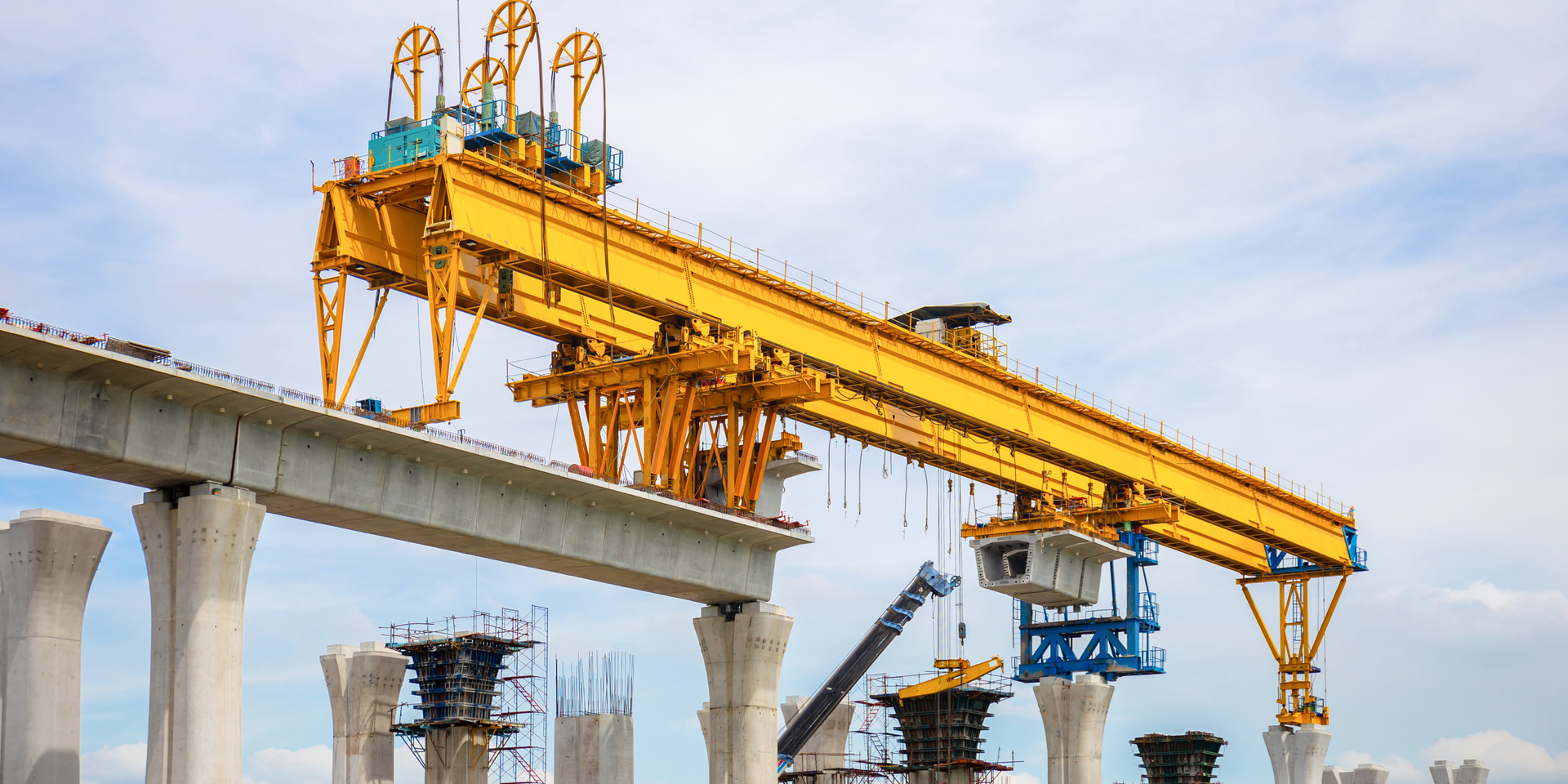
Bridge inspection is the systematic evaluation of a bridge’s structural components to assess its condition, identify defects, and ensure it meets safety and performance standards. Inspections are conducted at various stages, including construction, routine maintenance, and post-event assessments.
The primary objectives of bridge inspection are:
- Identify structural deficiencies or damage
- Evaluate the condition of materials and components
- Ensure compliance with regulatory standards
- Provide data for maintenance and repair planning
Bridge inspection is not a one-time activity; it is an ongoing process that plays a crucial role in infrastructure management.
Understanding QA/QC in Bridge Projects
Quality Assurance (QA) and Quality Control (QC) are essential components of any bridge construction or maintenance project.
Quality Assurance (QA)
QA focuses on preventing defects by ensuring that proper processes, standards, and procedures are followed throughout the project. It includes:
- Developing inspection plans
- Establishing testing protocols
- Ensuring compliance with industry standards
- Training personnel and maintaining documentation
Quality Control (QC)
QC focuses on identifying defects through inspections and testing. It involves:
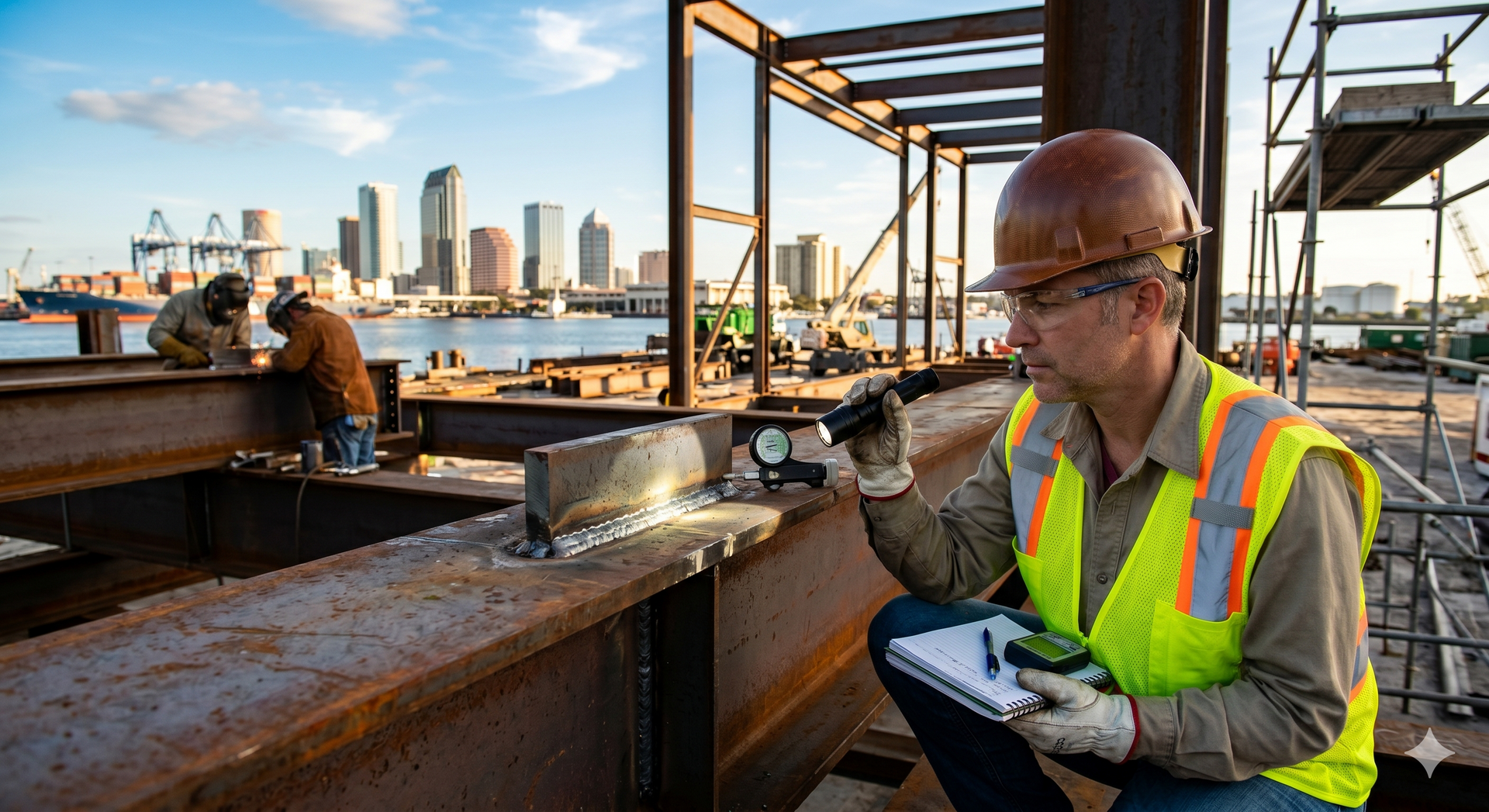
- Conducting field inspections
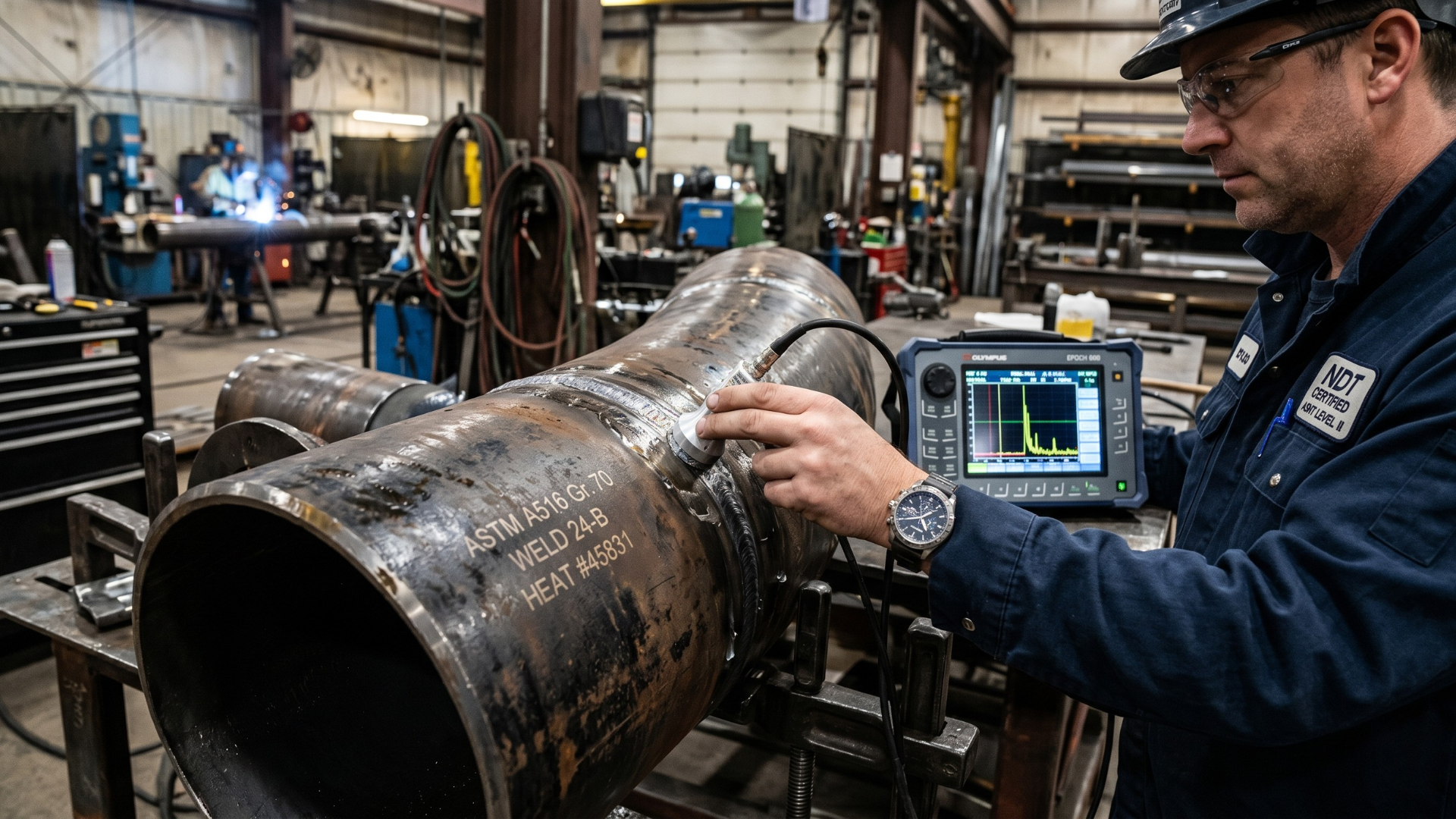
- Performing Non-Destructive Testing (NDT)
- Verifying material quality
- Documenting findings and corrective actions
Together, QA and QC create a comprehensive system that ensures bridges are built and maintained to the highest standards.
Importance of Bridge Inspection & QA/QC
Bridge inspection and QA/QC are critical for several reasons:
1. Public Safety
Bridges carry thousands of vehicles daily. Any structural failure can result in catastrophic consequences. Regular inspections and QA/QC processes ensure that potential issues are identified and addressed before they become dangerous.
2. Regulatory Compliance
Bridge inspections must comply with standards set by agencies such as:
- Federal Highway Administration (FHWA)
- American Association of State Highway and Transportation Officials (AASHTO)
- State Departments of Transportation
Failure to meet these requirements can lead to penalties, project delays, or shutdowns.
3. Cost Efficiency
Early detection of defects reduces the need for costly repairs or replacements. Preventive maintenance, guided by inspection data, is far more cost-effective than emergency repairs.
4. Longevity of Structures
QA/QC processes ensure that materials and workmanship meet high standards, extending the lifespan of bridges and reducing long-term maintenance costs.
Types of Bridge Inspections
Bridge inspections vary depending on the stage of the structure and specific requirements.
1. Initial Inspection
Conducted after construction is completed, this inspection establishes a baseline for future evaluations. It ensures that the bridge meets design specifications and safety standards.
2. Routine Inspection
Performed at regular intervals, routine inspections monitor the condition of the bridge over time. Inspectors look for signs of wear, corrosion, or damage.
3. In-Depth Inspection
This involves detailed evaluation using advanced techniques such as NDT. It is typically conducted when routine inspections identify potential issues.
4. Special Inspection
Special inspections are performed after events such as:
- Natural disasters (hurricanes, earthquakes)
- Vehicle collisions
- Flooding or extreme weather
These inspections assess whether the bridge remains safe for use.
Role of Non-Destructive Testing in Bridge Inspection
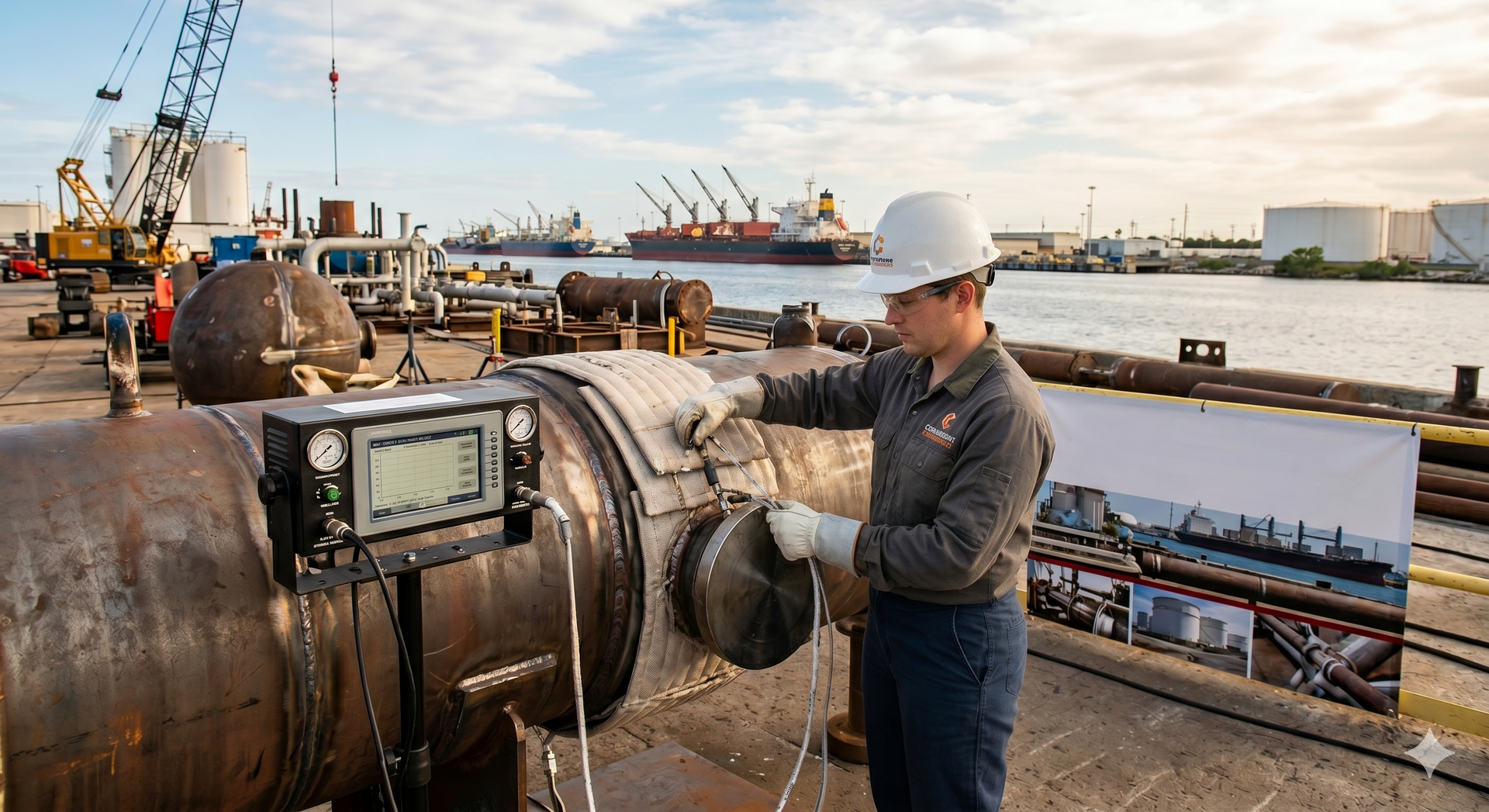
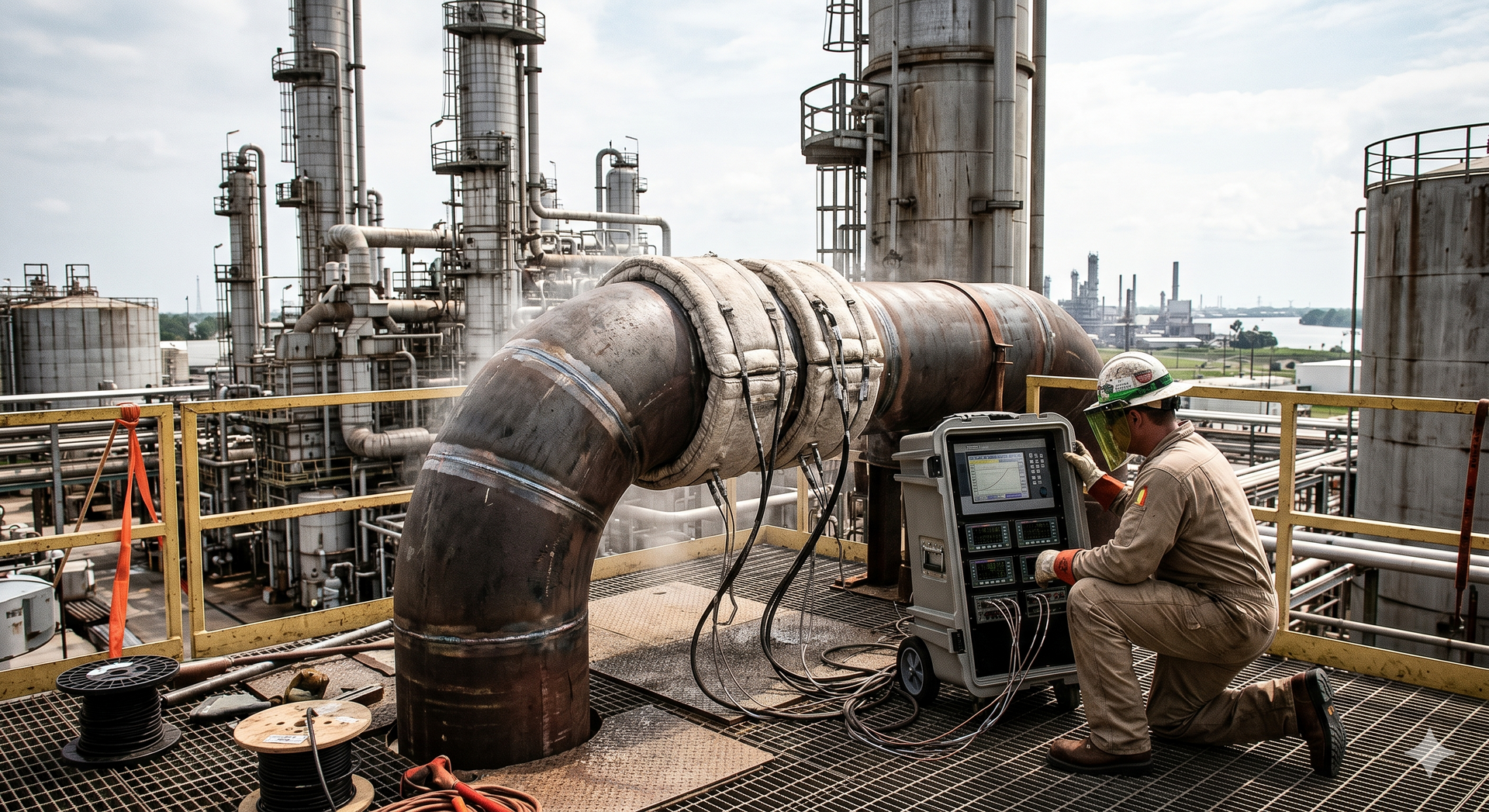
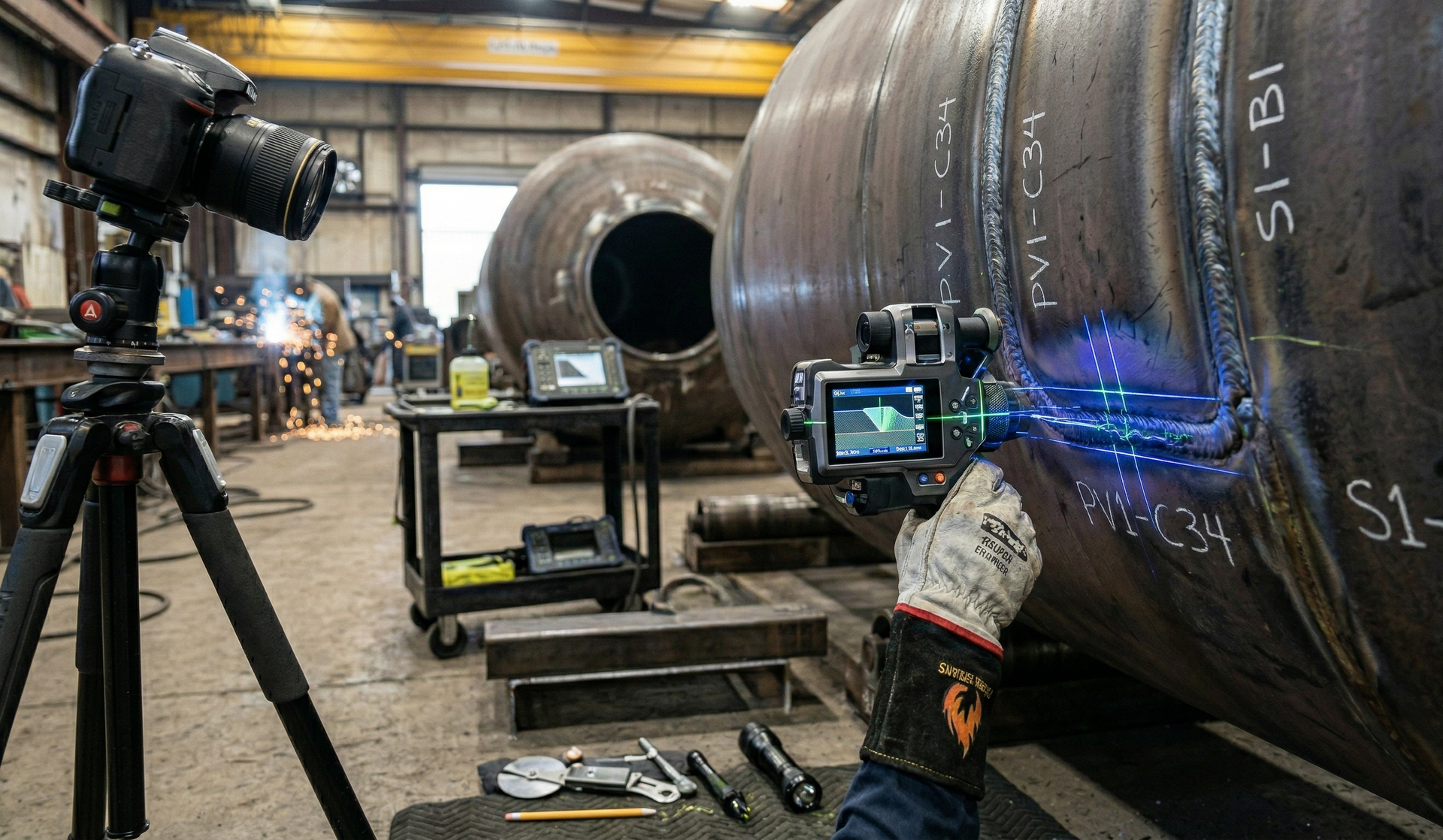
Non-Destructive Testing (NDT) plays a vital role in bridge inspection and QA/QC. It allows inspectors to evaluate structural components without causing damage.
Common NDT Methods Used
- Ultrasonic Testing (UT)
Detects internal flaws in steel and concrete components - Radiographic Testing (RT)
Provides detailed images of internal structures - Magnetic Particle Testing (MT)
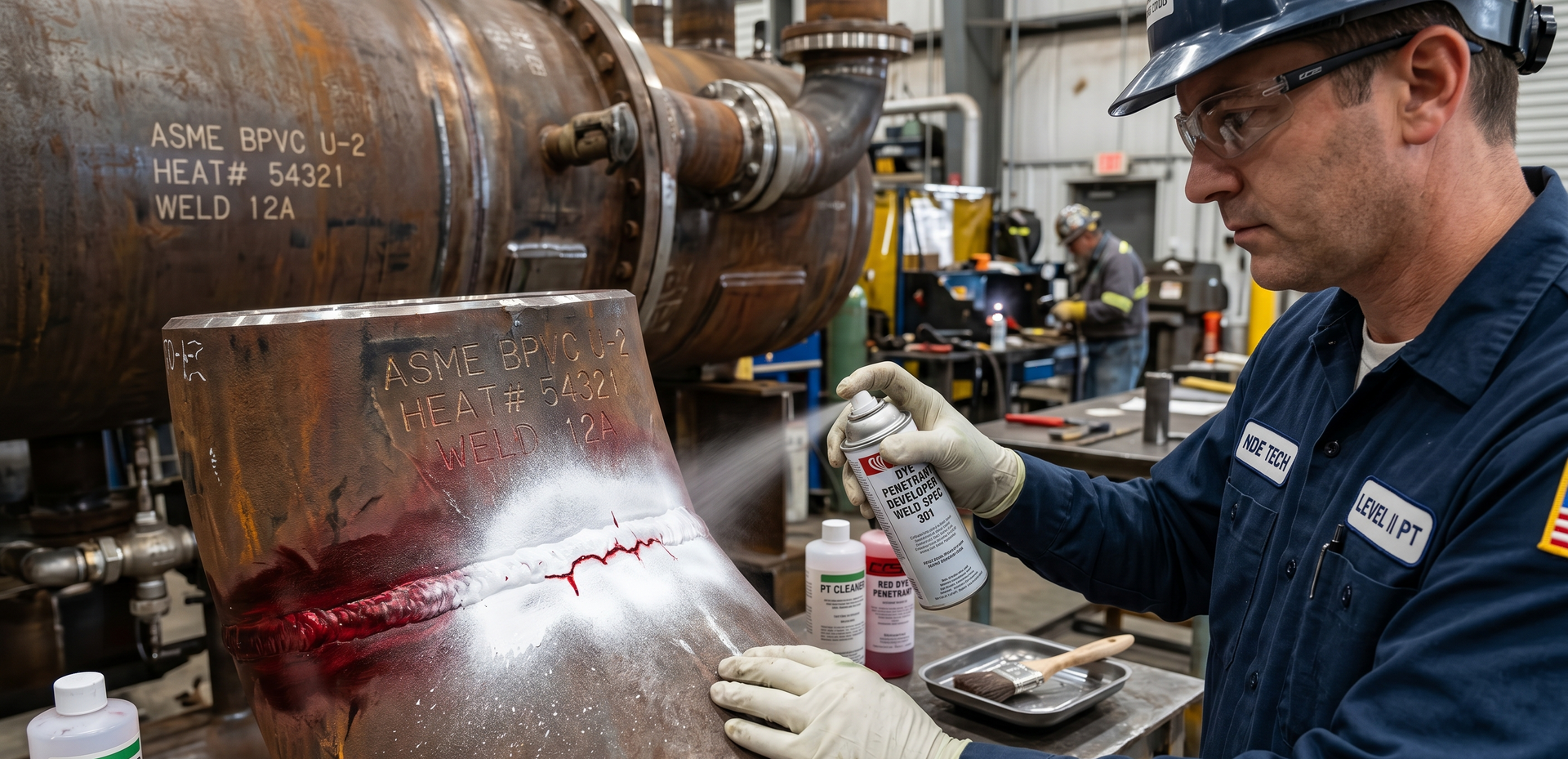
Identifies surface and near-surface defects in steel - Dye Penetrant Testing (PT)
Highlights surface cracks and discontinuities - Visual Inspection (VI)
Serves as the initial step in identifying visible issues
NDT enhances the accuracy and reliability of bridge inspections, ensuring that no defects go unnoticed.
Key Components Inspected in Bridges
Bridge inspection and QA/QC focus on evaluating various structural components, including:
- Deck: Surface condition, cracks, and wear
- Superstructure: Beams, girders, and trusses
- Substructure: Piers, abutments, and foundations
- Bearings: Movement and load transfer mechanisms
- Cables and Connections: Integrity of load-bearing elements
Each component plays a critical role in the overall stability of the bridge
Documentation and Reporting
Accurate documentation is a key aspect of QA/QC in bridge inspection. Inspection reports typically include:
- Detailed descriptions of findings
- Photographic evidence
- NDT data and analysis
- Recommendations for repairs or maintenance
These reports provide valuable insights for engineers and decision-makers, helping prioritize maintenance and ensure compliance.
Benefits of Professional Bridge Inspection Services
Partnering with a professional inspection provider like Cornerstone Inspection & Thermal offers significant advantages:
- Expertise: Certified inspectors with extensive experience
- Advanced Technology: Use of state-of-the-art NDT equipment
- Comprehensive Assessments: Thorough evaluation of all components
- Regulatory Compliance: Adherence to industry standards
- Actionable Insights: Clear recommendations for maintenance and repair
Professional services ensure that bridge inspections are accurate, reliable, and aligned with best practices.
Real-World Applications
Highway Bridges
Routine inspections and QA/QC processes ensure that bridges can handle heavy traffic loads and environmental stress.
Railway Bridges
Inspection of rails, supports, and connections ensures safe and efficient transportation of goods and passengers.
Pedestrian Bridges
Even smaller bridges require regular inspection to ensure public safety and structural integrity.
Why Choose Cornerstone Inspection & Thermal?
Cornerstone Inspection & Thermal is a trusted partner for bridge inspection and QA/QC services. With a commitment to safety, quality, and precision, the company provides:
- Comprehensive bridge inspection services
- Advanced NDT methods for accurate defect detection
- Certified inspectors with industry expertise
- Detailed reporting and documentation
- Customized QA/QC programs tailored to project needs
By choosing Cornerstone Inspection & Thermal, clients gain confidence that their bridge projects meet the highest standards of safety and performance
Contact Cornerstone Inspection & Thermal
Ensure the safety and reliability of your bridge projects with professional inspection and QA/QC services.
Phone: 225-235-4472
Email: terry@cornerstonendt.com
Website: https://www.cornerstonendt.com
Conclusion
Bridge inspection and QA/QC are essential for maintaining the safety, reliability, and longevity of infrastructure. By combining routine inspections, advanced NDT methods, and comprehensive quality control processes, engineers can identify defects early and ensure compliance with industry standards.
With the expertise of Cornerstone Inspection & Thermal, you can trust that your bridge projects are inspected with precision and professionalism. From construction to maintenance, a strong QA/QC framework ensures that every bridge remains safe, durable, and capable of supporting the demands of modern transportation