Post Weld Heat Treatment (PWHT) in Baton Rouge, LA: Strengthening Welds for High-Performance Industrial Systems
In industries where safety, pressure, and durability are non-negotiable, welding is only part of the equation. The real performance of a weld often depends on what happens after it is completed. This is where Post Weld Heat Treatment (PWHT) becomes essential.
For industrial operations in Baton Rouge, LA, PWHT is a critical process used to improve weld integrity, reduce residual stress, and ensure long-term structural reliability. In environments such as refineries, petrochemical plants, and heavy fabrication facilities, this process is not optional. It is a key step in ensuring assets can withstand demanding operating conditions.
What is Post Weld Heat Treatment (PWHT)?
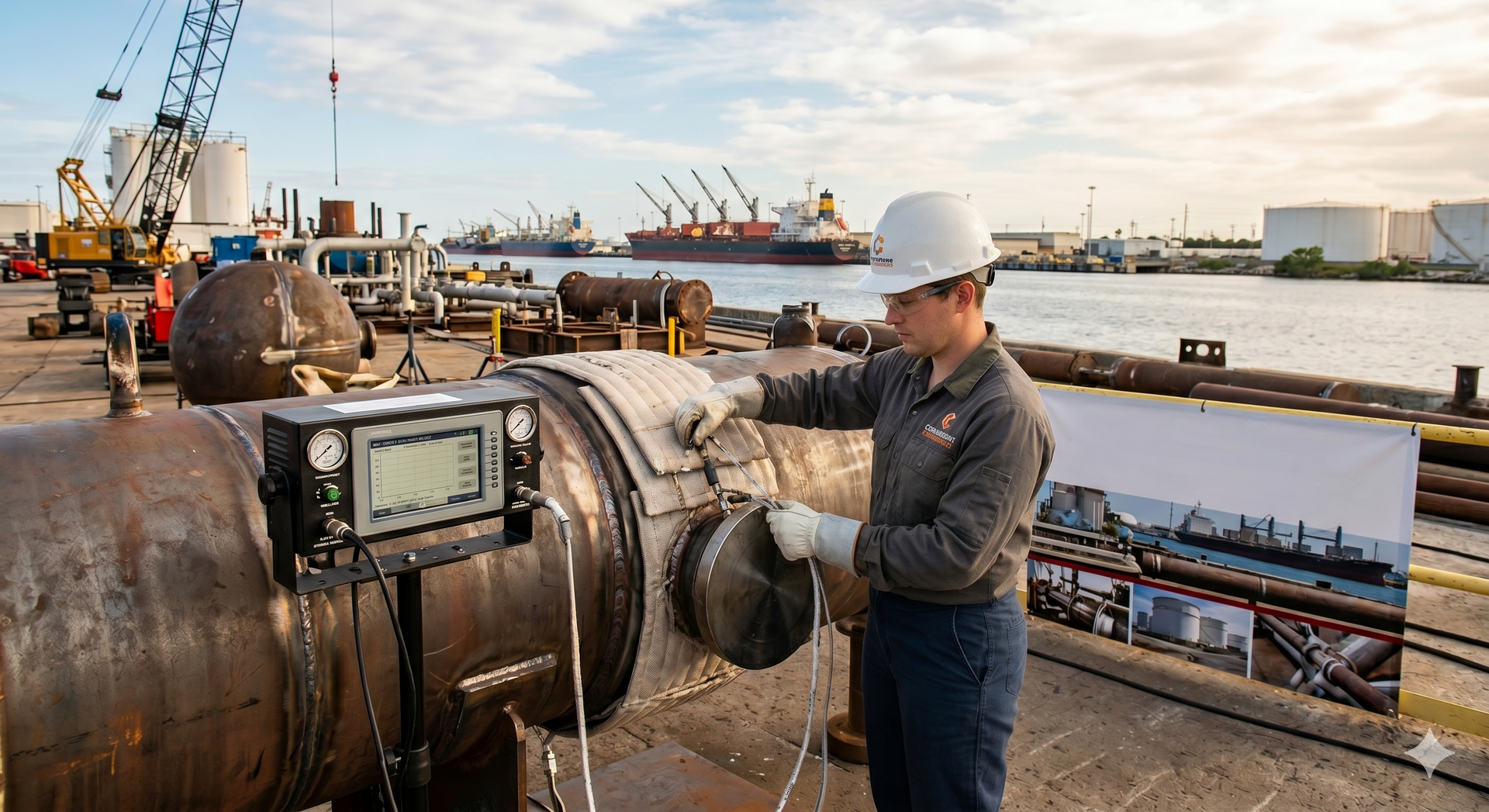
Post Weld Heat Treatment (PWHT) is a controlled heating and cooling process applied to welded components after welding is completed. The goal is to modify the properties of the weld and surrounding material to improve performance and reduce internal stresses.
During welding, extreme heat causes uneven expansion and contraction in the metal. This creates residual stress that can lead to cracking, distortion, or premature failure if not properly addressed.
PWHT helps by:
● Relieving residual stress
● Improving toughness and ductility
● Reducing hardness in the heat-affected zone
● Enhancing resistance to cracking
● Increasing long-term reliability
In Baton Rouge’s heavy industrial environment, these benefits are critical for maintaining safe and efficient operations.
Why PWHT is Critical in Baton Rouge, LA
Baton Rouge is a major hub for petrochemical processing, oil refining, and industrial manufacturing. Equipment in these industries often operates under extreme pressure, high temperature, and corrosive conditions.
Without proper PWHT, welded components may suffer from:
● Stress-induced cracking
● Reduced fatigue resistance
● Brittle failure under pressure
● Distortion of critical components
● Shortened service life
By applying Post Weld Heat Treatment (PWHT) in Baton Rouge, LA, companies significantly reduce these risks and improve overall system reliability.
How the PWHT Process Works
PWHT is a carefully controlled process that requires precision and expertise. It typically involves
three main stages:
1. Controlled Heating
The welded component is gradually heated to a specific temperature based on material type and engineering requirements. This prevents thermal shock and ensures uniform temperature distribution.
2. Soaking Period
The material is held at a stable temperature for a defined period. This allows internal stresses to redistribute and relax throughout the weld and surrounding base metal.
3. Controlled Cooling
The component is slowly cooled in a controlled environment to prevent the formation of new
stresses or microstructural defects.
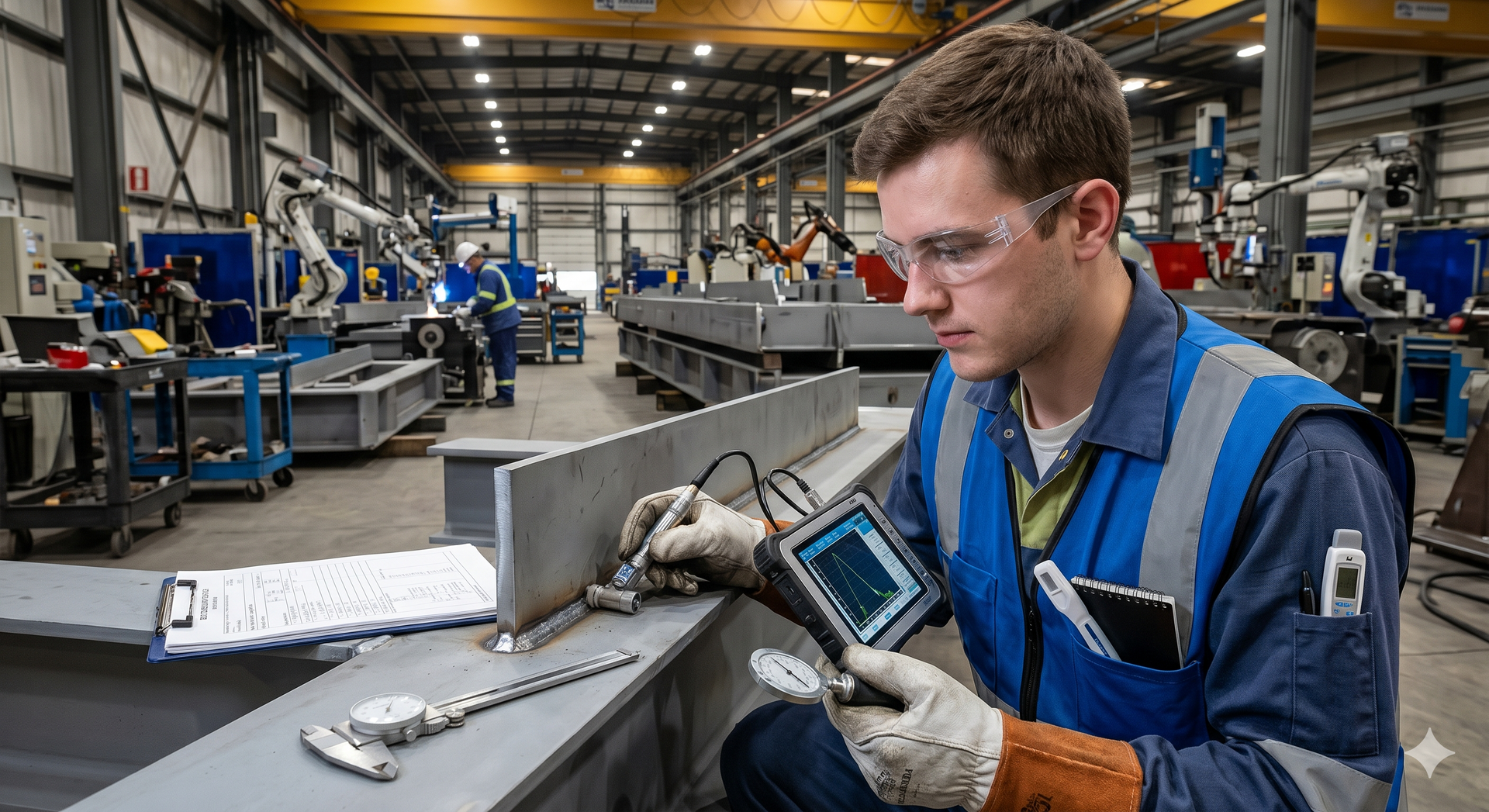
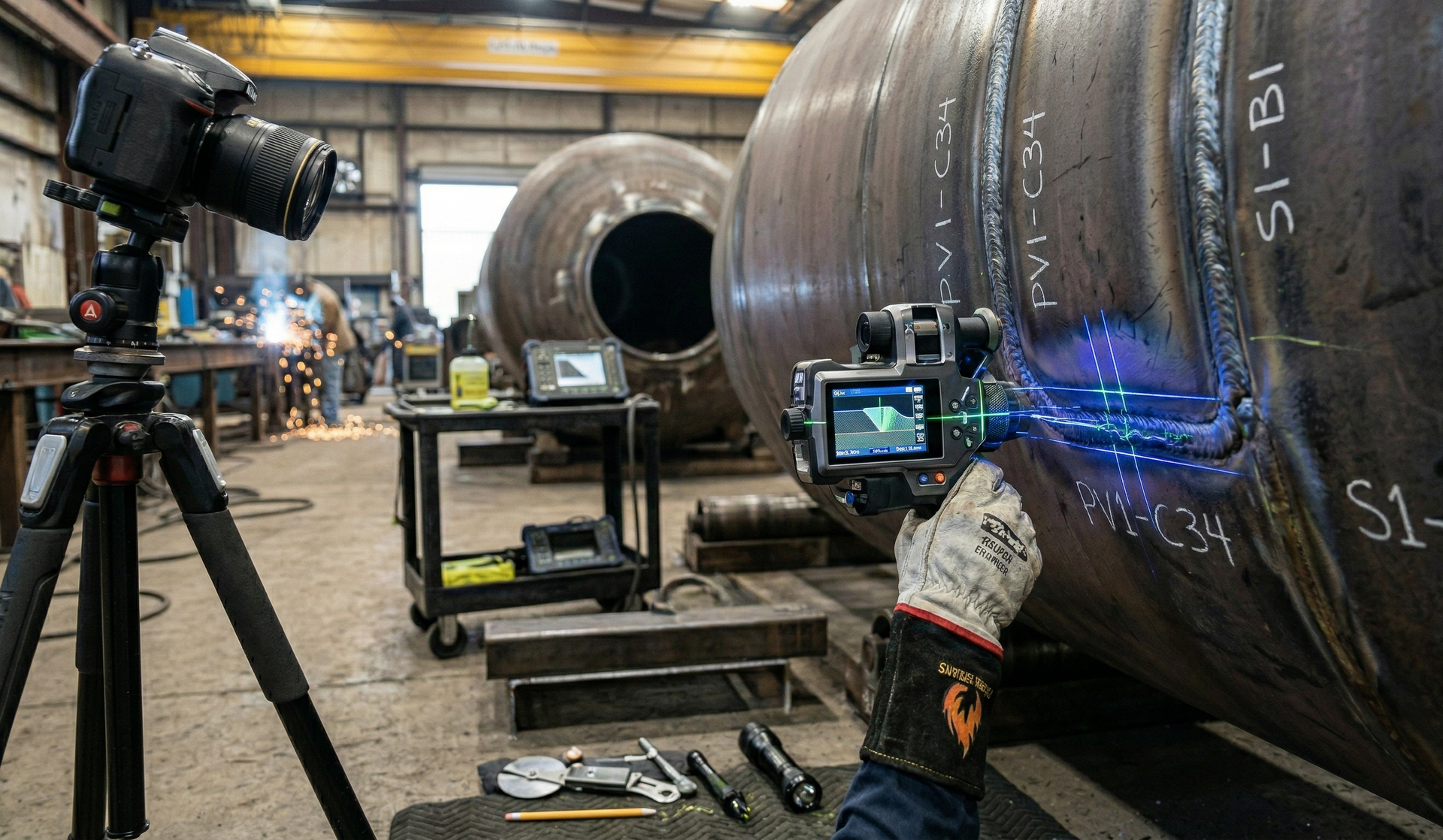
Each step must be carefully monitored to ensure compliance with engineering codes and industry standards.
Materials That Commonly Require PWHT
Not all welds require heat treatment, but it is essential for many high-stress applications. Common materials include:
● Carbon steel
● Low-alloy steel
● Chrome-moly steel
● Pressure vessel materials
● Pipeline steels used in high-temperature service
In Baton Rouge, these materials are widely used in refining, chemical processing, and energy production facilities, making PWHT a frequent requirement.
Industries That Depend on PWHT in Baton Rouge
Oil and Gas Refineries
Refinery equipment operates under extreme heat and pressure, making PWHT essential for preventing weld failure.
Petrochemical Plants
Chemical processing systems require highly reliable welds to prevent leaks and maintain safety.
Power Generation Facilities
Boilers, turbines, and high-pressure piping systems depend on heat-treated welds for long-term stability.
Heavy Manufacturing
Industrial fabrication often involves large steel structures that require stress relief after welding.
Pipeline Construction
Long-distance pipelines must withstand pressure variations and environmental stress, making PWHT critical.
Benefits of Post Weld Heat Treatment (PWHT)
Reduced Residual Stress
PWHT minimizes internal stresses caused by welding, reducing the risk of deformation or cracking.
Improved Mechanical Properties
Heat treatment enhances toughness and ductility, making welds more resistant to failure.
Increased Service Life
Properly treated welds last significantly longer under operational stress.
Enhanced Safety
By reducing the likelihood of sudden failure, PWHT improves overall system safety.
Compliance with Industry Standards
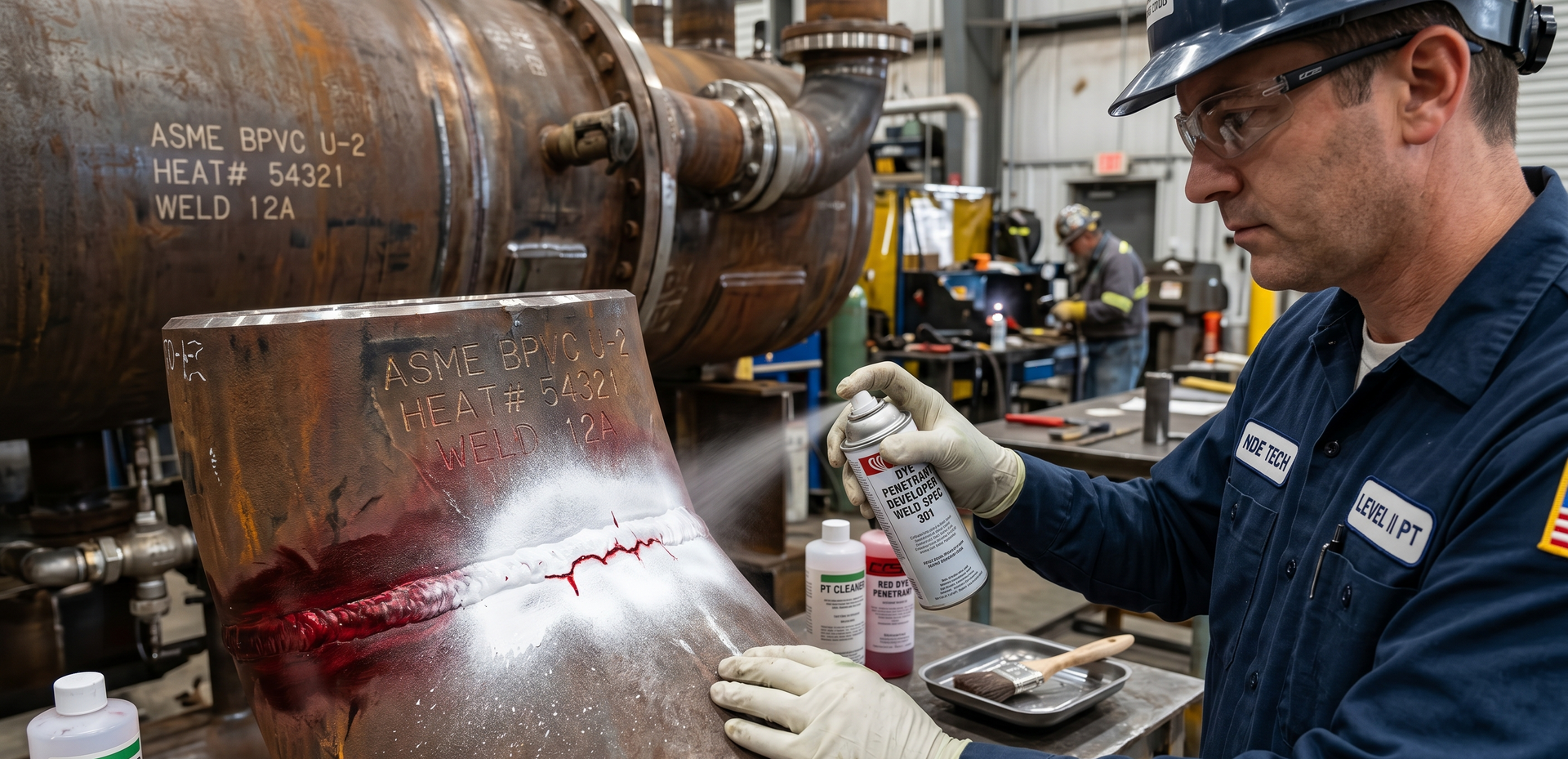
Many codes such as ASME and API require PWHT for specific materials and applications.
Risks of Skipping PWHT
Skipping or improperly performing PWHT can lead to serious consequences, especially in high-pressure environments like Baton Rouge. Potential risks include:
● Catastrophic weld failure
● Equipment shutdowns
● Costly emergency repairs
● Safety hazards for personnel
● Regulatory non-compliance
In industries where reliability is critical, these risks are unacceptable.
PWHT and Industry Standards
Post Weld Heat Treatment is often governed by strict industry codes and standards, including:
● ASME Boiler and Pressure Vessel Code
● API standards for pipelines and refining equipment
● AWS structural welding codes
● Project-specific engineering requirements
In Baton Rouge, compliance with these standards is essential for safe and legal operation of
industrial systems.
When PWHT is Required
PWHT is not always mandatory, but it is typically required when:
● Working with thick materials
● Welding high-strength or alloy steels
● Operating under high pressure or temperature
● Meeting ASME or API code requirements
● Engineering specifications demand stress relief
Proper assessment is necessary to determine when PWHT should be applied.
PWHT vs Other Heat Treatments
PWHT is often confused with other heat treatment processes, but its purpose is specific.
● Annealing: Softens metal and improves ductility
● Normalizing: Refines grain structure
● Tempering: Improves toughness after hardening
● PWHT: Specifically reduces residual stress after welding
Each process serves a different function, but PWHT is uniquely focused on welded joints.
Choosing a PWHT Service Provider in Baton Rouge, LA
Selecting the right provider is critical for ensuring proper execution of the process.
Key factors to consider:
● Experience with industrial-grade PWHT applications
● Understanding of ASME and API standards
● Proper temperature control equipment
● Certified technicians and welding specialists
● Proven track record in refinery and petrochemical environments.
In Baton Rouge, where industrial safety standards are strict, expertise is essential.
The Future of PWHT in Industrial Applications
Advancements in thermal processing technology are improving the efficiency and accuracy of PWHT. Modern systems now offer:
● Digital temperature monitoring
● Automated heat control systems
● Real-time data logging
● Improved energy efficiency
● Better consistency across large components
For Baton Rouge industries, these improvements translate into safer, more reliable operations and reduced downtime.
Why PWHT is a Long-Term Investment
Post Weld Heat Treatment should be viewed as a long-term investment rather than an added cost. By improving weld performance and reducing failure risk, PWHT delivers measurable value over time.
Companies benefit through:
● Lower maintenance costs
● Fewer shutdowns
● Increased asset lifespan
● Improved operational reliability
● Greater compliance assurance
In high-risk environments, these benefits are essential for sustainable operations.
Partner with Experts in Post Weld Heat Treatment (PWHT)
When it comes to welding performance, the work is not complete until proper heat treatment is applied. Professional Post Weld Heat Treatment (PWHT) in Baton Rouge, LA ensures that welded components are stress-relieved, strengthened, and ready for long-term service.
Whether you are working in refining, fabrication, or energy production, PWHT is a critical step in protecting your investment and ensuring operational safety.
Contact Us Today
Ensure your welded systems meet the highest standards of performance and safety with expert PWHT services.
Get in touch today:
Phone: 225-235-4472
Email: terry@cornerstonendt.com
Our Locations:
● Baton Rouge, LA: 225-235-4472
● Tampa, FL: 813-790-2433
● Cape Canaveral, FL: 321-486-7481
● Houston, TX: 713-510-5890
Call now to schedule your Post Weld Heat Treatment (PWHT) services in Baton Rouge, LA and ensure your welds are built for strength, safety, and long-term performance.