
Post-Weld Heat Treatment (PWHT)
 FREE CONSULTATION
Restore structural integrity, relieve residual stress, and ensure strict code compliance with Cornerstone Industries' precision heating solutions. Critical protection for your most demanding assets.
The Science of Structural Integrity
Why is Post-Weld Heat Treatment Critical?
During the welding process, intense localized heat causes the metal to expand and contract rapidly. As the weld pool cools, the surrounding base metal restrains this contraction, locking severe residual stresses into the component. Furthermore, rapid cooling alters the metal's microstructure, specifically creating a hardened and brittle Heat Affected Zone (HAZ).
Post-Weld Heat Treatment (PWHT) is the precisely controlled process of reheating the welded material to a temperature below its lower critical transformation point, holding it there for a specified time, and cooling it at a controlled rate.
Failing to perform PWHT on critical components leaves them highly susceptible to brittle fracture, stress corrosion cracking (SCC), and premature mechanical failure under load.
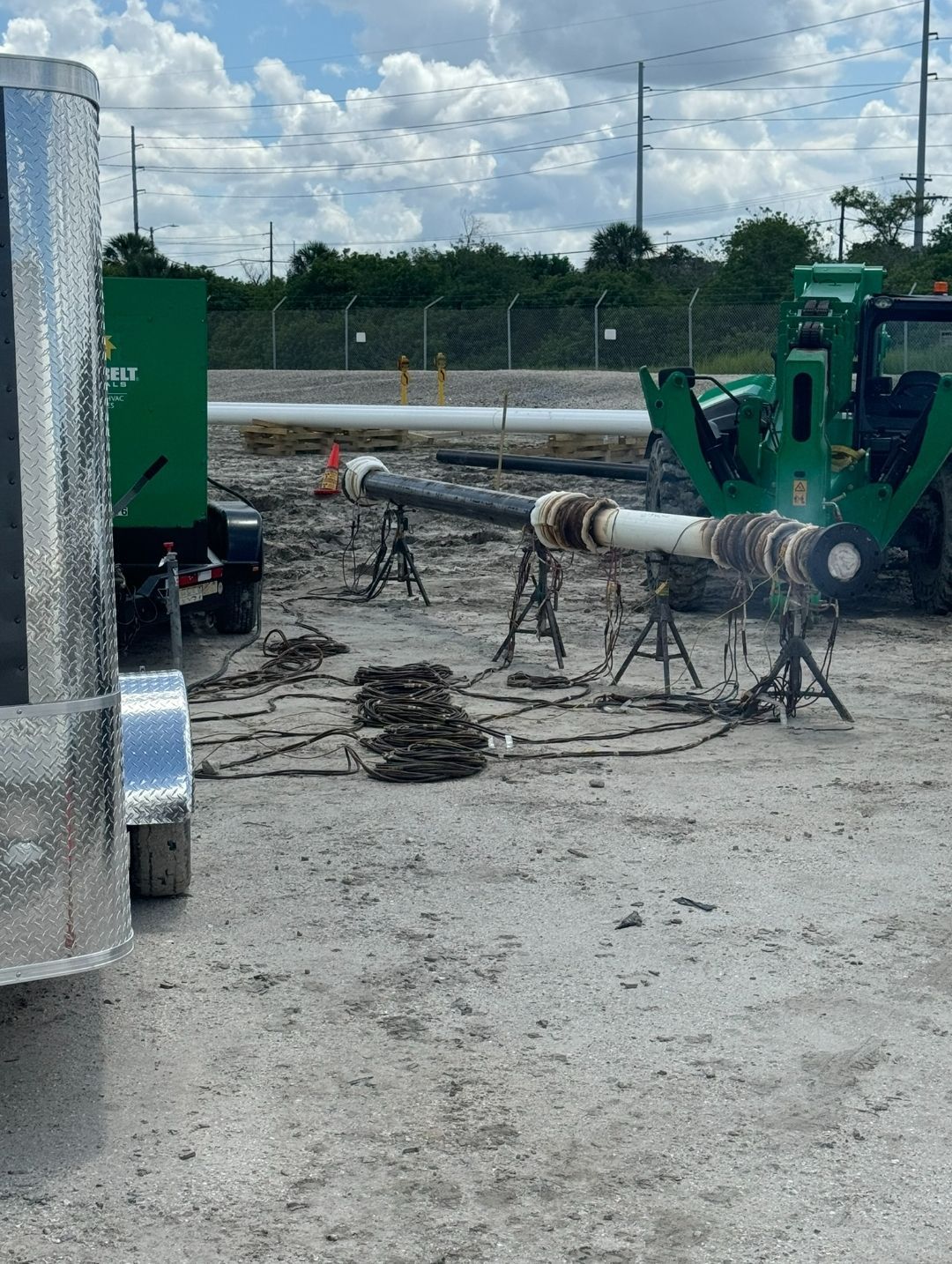
1. Stress Relief
Reduces trapped internal residual stresses caused by the thermal cycle of welding, preventing distortion during subsequent machining or in-service operation.
2. Hardness Reduction
Tempers the hard, brittle microstructures formed in the Heat Affected Zone (HAZ), restoring ductility and toughness to the metal.
3. Enhanced Resistance
Significantly lowers the risk of Stress Corrosion Cracking (SCC) in harsh environments (like those containing hydrogen sulfide or caustics).
4. Code Compliance
Satisfies rigorous industry fabrication codes (such as ASME B31.3, Section VIII, API, and AWS) which mandate PWHT based on material type and thickness.
Versatile Heating Solutions
Our PWHT Capabilities
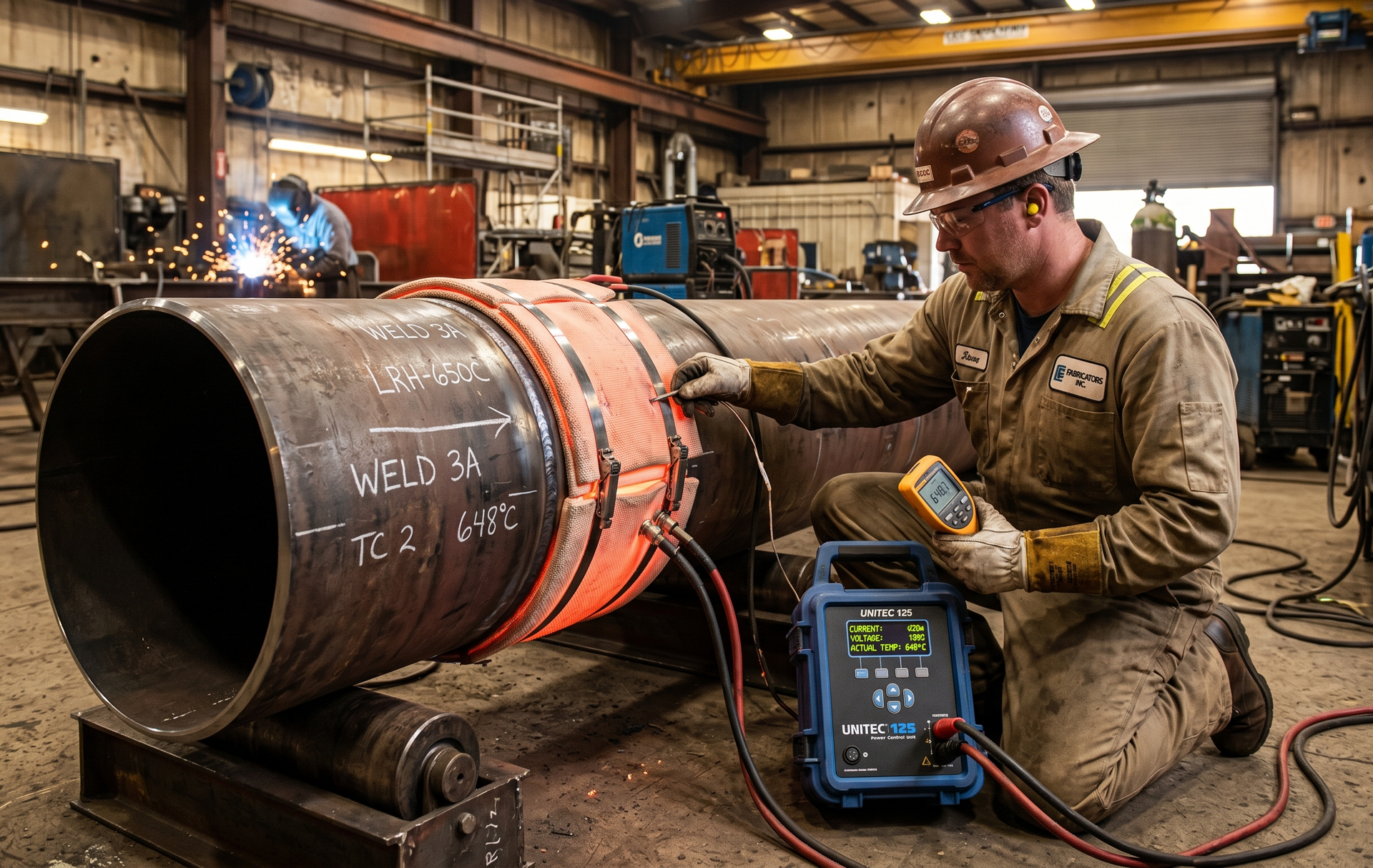
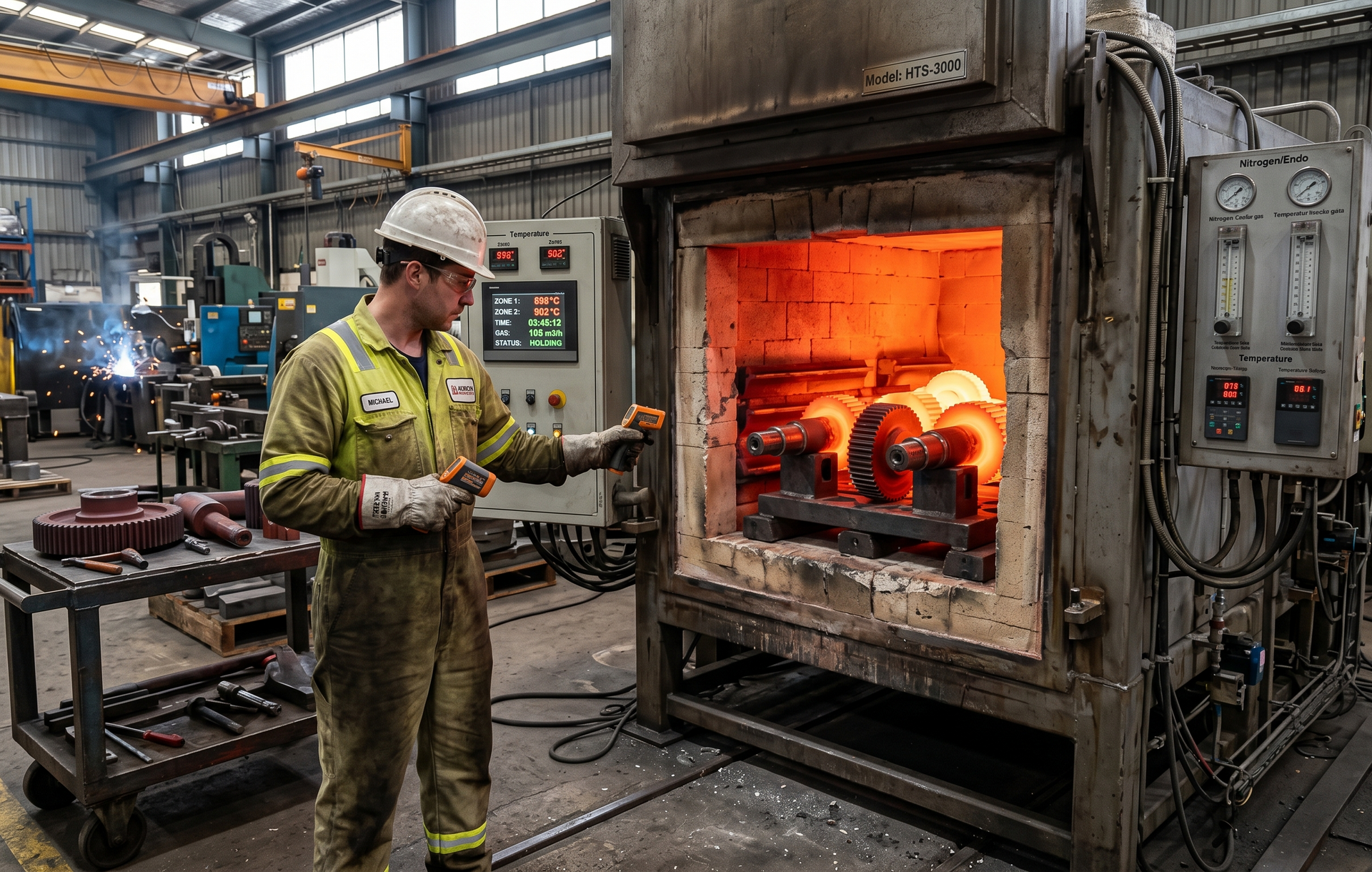
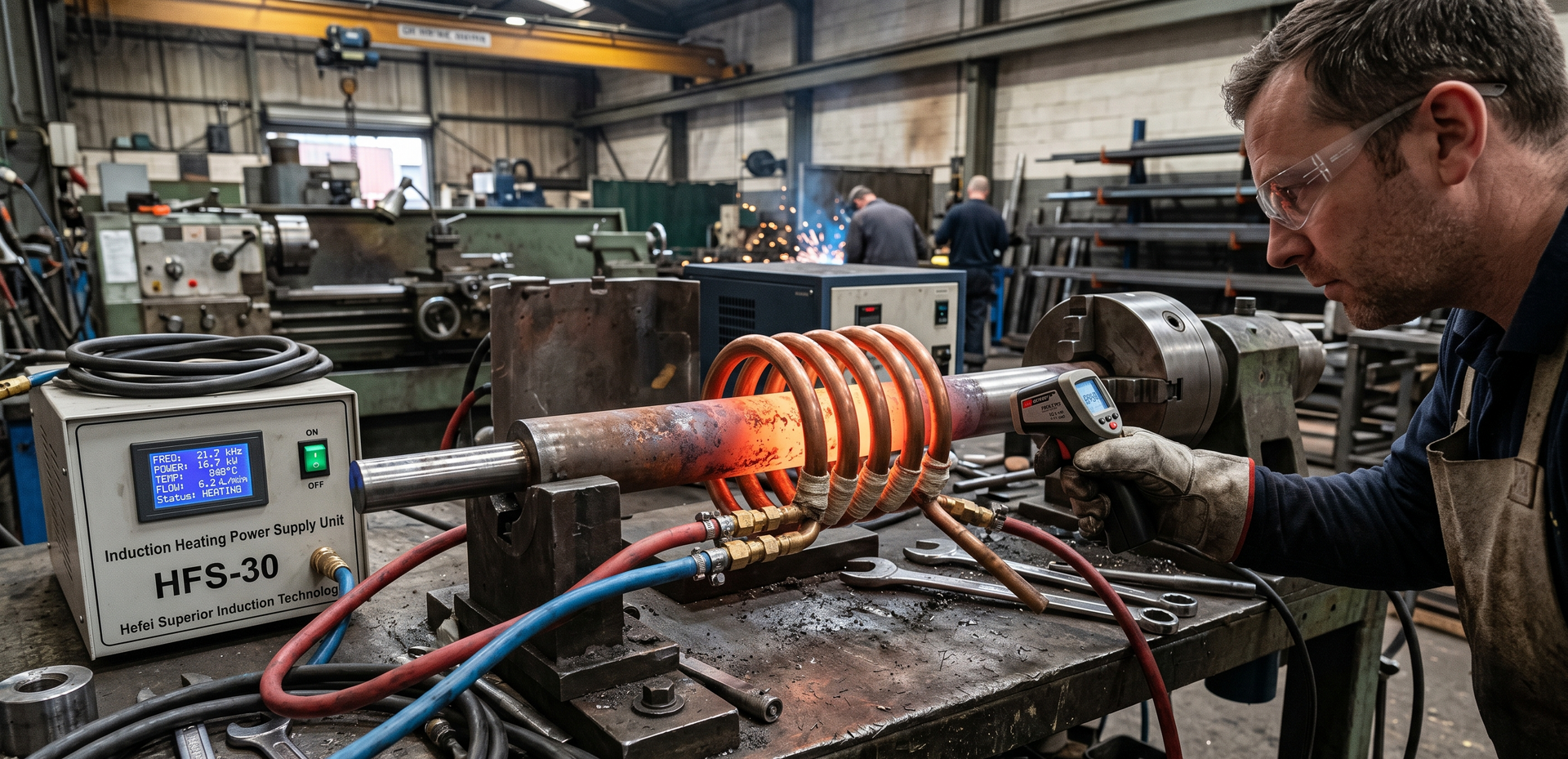
Whether your project requires in-situ field services or large-scale shop treatment, our fleet of state-of-the-art equipment and certified technicians deliver precise thermal control.
Trusted Across Sectors
Industries We Serve
Is your thermal processing verifiable and compliant?
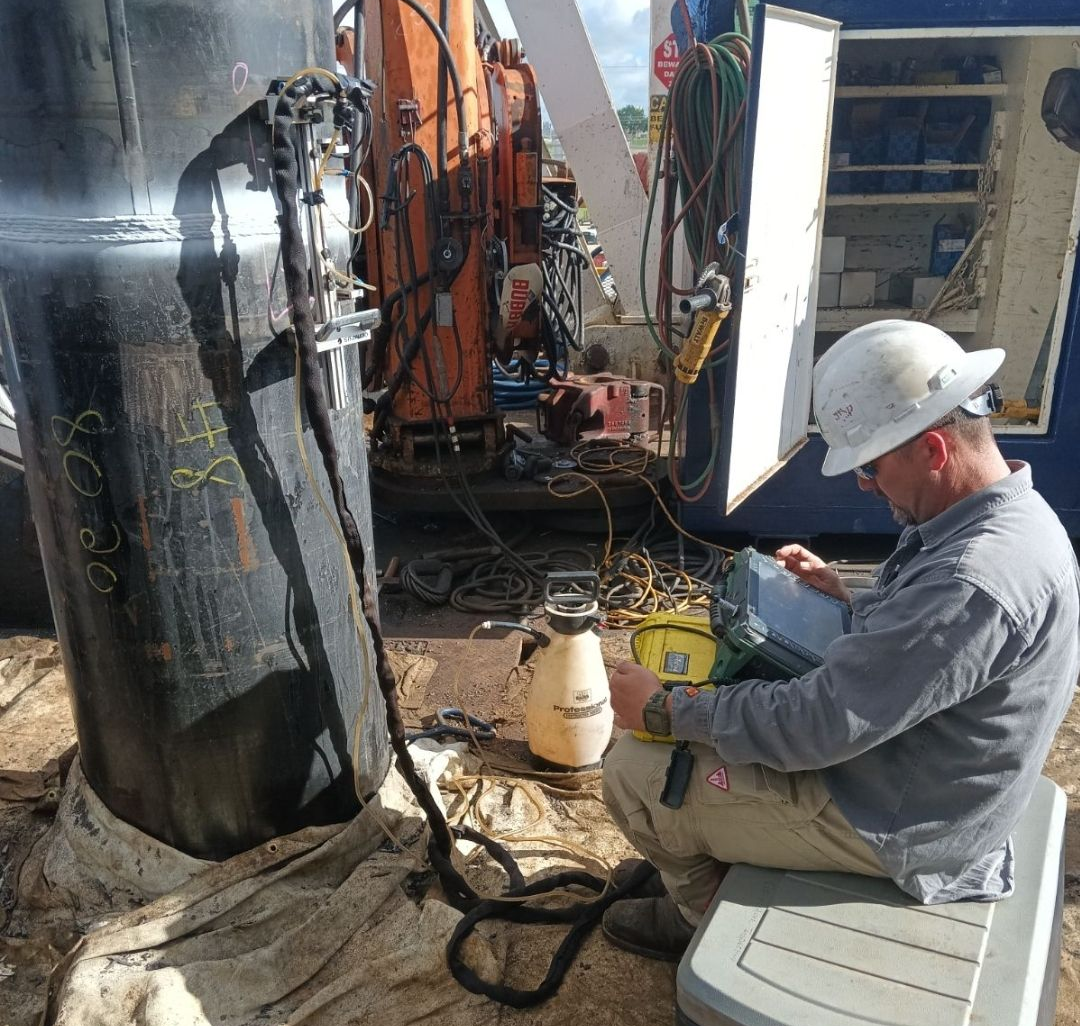
Every PWHT cycle performed by Cornerstone Industries is fully documented. We provide certified digital time-temperature charts, calibration records, and comprehensive quality packages to satisfy the most rigorous third-party inspectors and regulatory bodies.
Uncompromising Safety and Expertise
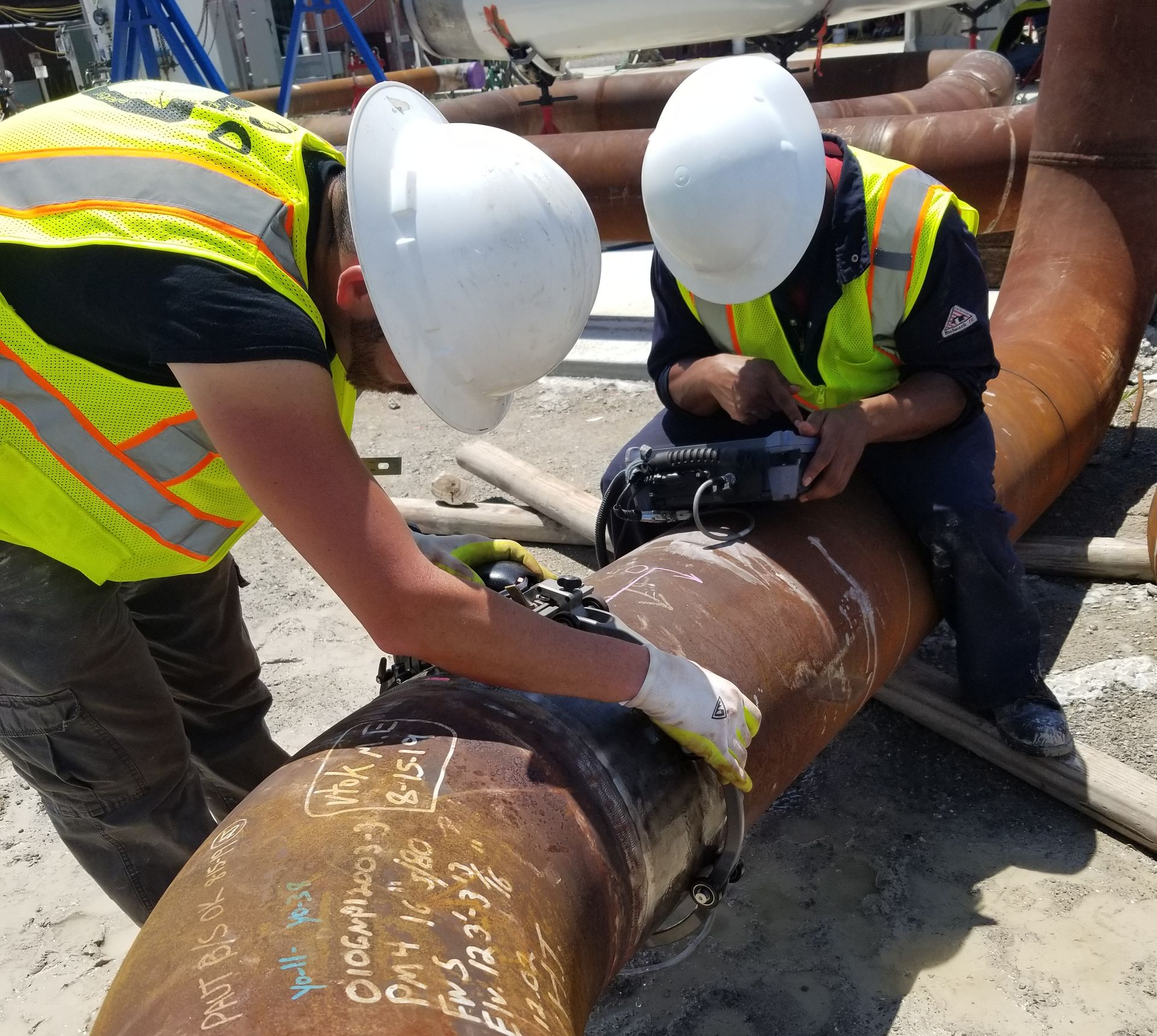
Handling temperatures exceeding 1,200°F on active job sites requires elite training. Our heat treatment technicians are fully certified and adhere to rigorous safety protocols, ensuring zero harm to personnel or surrounding infrastructure.
Technical Insights
Frequently Asked Questions
When is PWHT strictly required?
The requirement for PWHT is primarily dictated by the governing design code (e.g., ASME Section VIII for pressure vessels, ASME B31.3 for process piping). It is generally mandatory based on the material's P-number (chemical composition) and the thickness of the base metal. For example, carbon steels exceeding a certain thickness threshold must undergo PWHT. It is also required regardless of thickness if the component will operate in a corrosive environment prone to Stress Corrosion Cracking (SCC).
What temperatures and hold times are used?
Temperatures and hold times are highly specific to the material type. For standard carbon steel, the holding temperature is typically between 1,100°F and 1,200°F (595°C - 650°C). The "hold time" (soak time) is generally calculated at one hour per inch of material thickness, with a minimum of one hour. Cornerstone's engineers calculate exact thermal cycles based on your specific WPS (Welding Procedure Specification) and code requirements.
What happens if PWHT is skipped?
Skipping PWHT when it is required leaves severe residual stresses and a brittle Heat Affected Zone (HAZ). This drastically reduces the material's ductility and impact toughness. Under operational pressure, vibration, or thermal cycling, these stresses can lead to sudden, catastrophic brittle fracture. It also voids engineering code compliance, which can result in failed inspections and insurance liabilities.
How do you verify the PWHT was successful?
Verification is a multi-step process. During the treatment, calibrated thermocouples continuously record the temperature, generating a certified time-temperature chart to prove the heating, holding, and cooling rates met specifications. Afterward, we often perform Hardness Testing (to ensure the HAZ has been sufficiently softened) and Non-Destructive Testing (NDT) to ensure no cracks formed during the thermal cycle.