
 FREE CONSULTATION
Advanced Non-Destructive Testing (NDT) Solutions
Unlock the invisible condition of your critical assets. Cornerstone Industries delivers state-of-the-art NDT services to ensure uncompromising safety, regulatory compliance, and total structural integrity—without damage.
Secure. Compliant. Certified.
What is Non-Destructive Testing (NDT)?
Non-Destructive Testing (NDT) is a critical quality control process used to inspect materials, components, and structures for flaws, defects, or variations in properties—all without causing any physical damage or permanent alteration.
Unlike destructive testing (where a sample is stressed until failure to learn its properties), NDT allows for the inspection of 100% of finished parts or critical operational equipment. The primary goal of our NDT programs is to prevent sudden and catastrophic failures, ensuring the long-term safety of your personnel and the maximum reliability and lifespan of your most high-value assets. Trust only the validated competence of Cornerstone's certified experts for unbiased, rigorous technical verification.

Choosing the Right Tool for the Job
The Clear Advantage: NDT vs. Destructive Testing (DT)
While both testing disciplines play essential roles in engineering validation, NDT provides unprecedented visibility into existing, in-service assets where destruction is not an option. For ongoing asset management, the advantages of preservation and 100% inspection are clear.
NDT (Non-Destructive)
Preserves the Asset
- Enables testing of finished parts, complex structures, and operational machinery.
- Permits 100% inspection of a production batch, ensuring total quality.
- Allows for in-service inspection to prevent unexpected downtime.
- Cost-effective by reducing material waste and production interruptions.
DT (Destructive)
Destroys the Asset
- Test is limited to sacrificially destructive samples or batches.
- Primarily determines material properties (e.g., yield strength, hardness).
- Requires sacrificial production, incurring higher cost per test and material waste.
- Test conditions are always static; in-service validation is impossible.
Validated Expertise for Total Visibility
Advanced NDT Methodologies
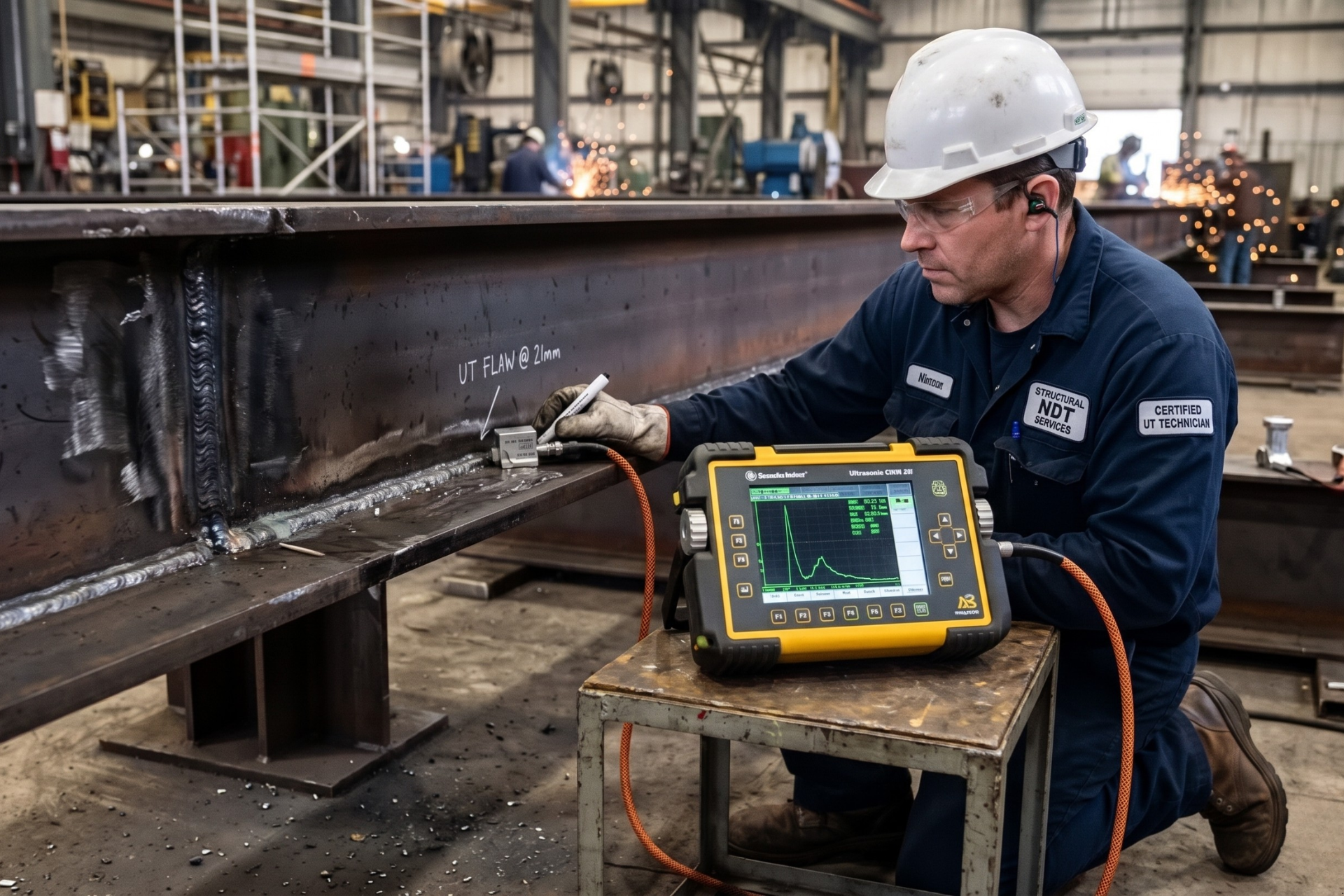
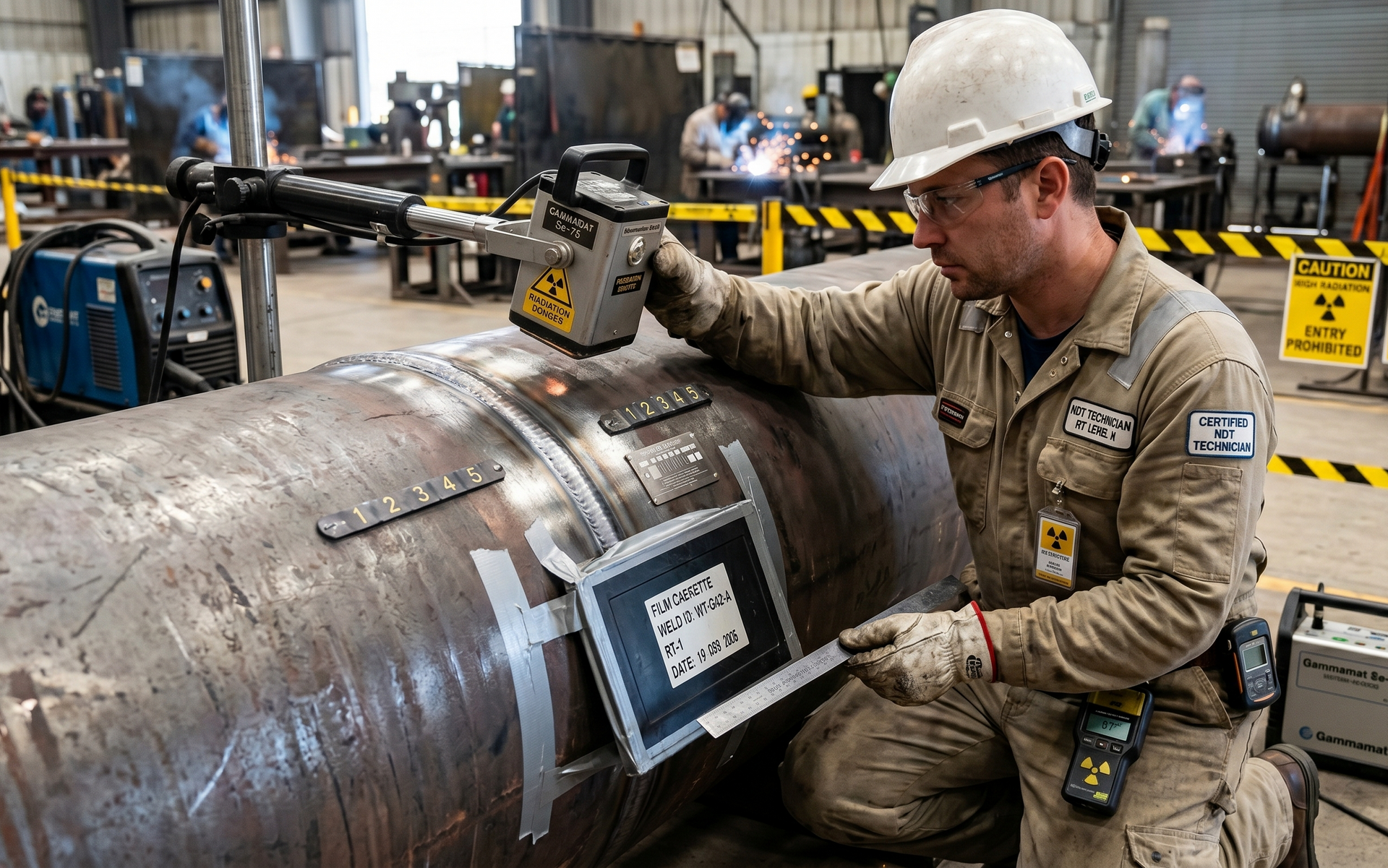
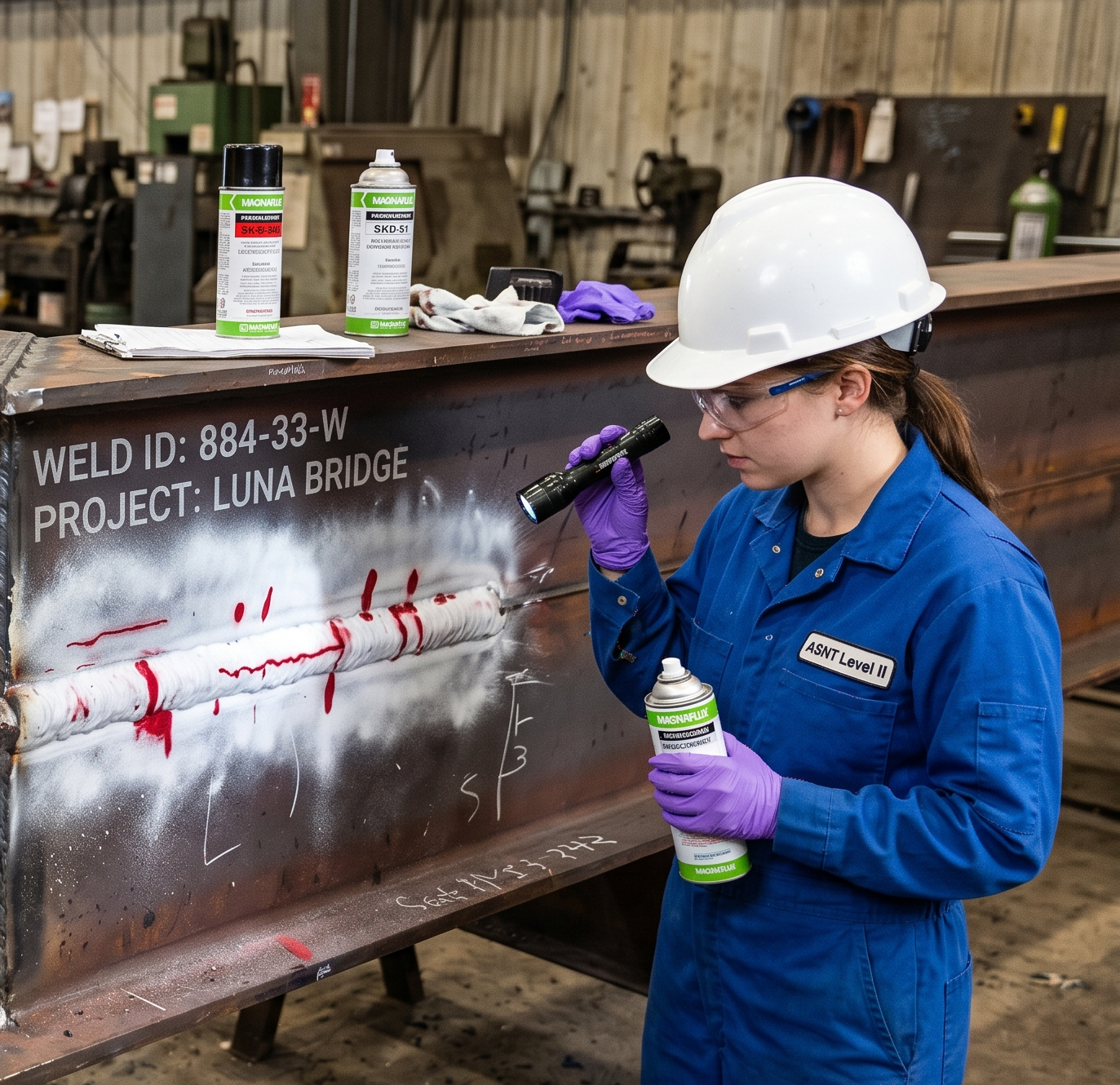
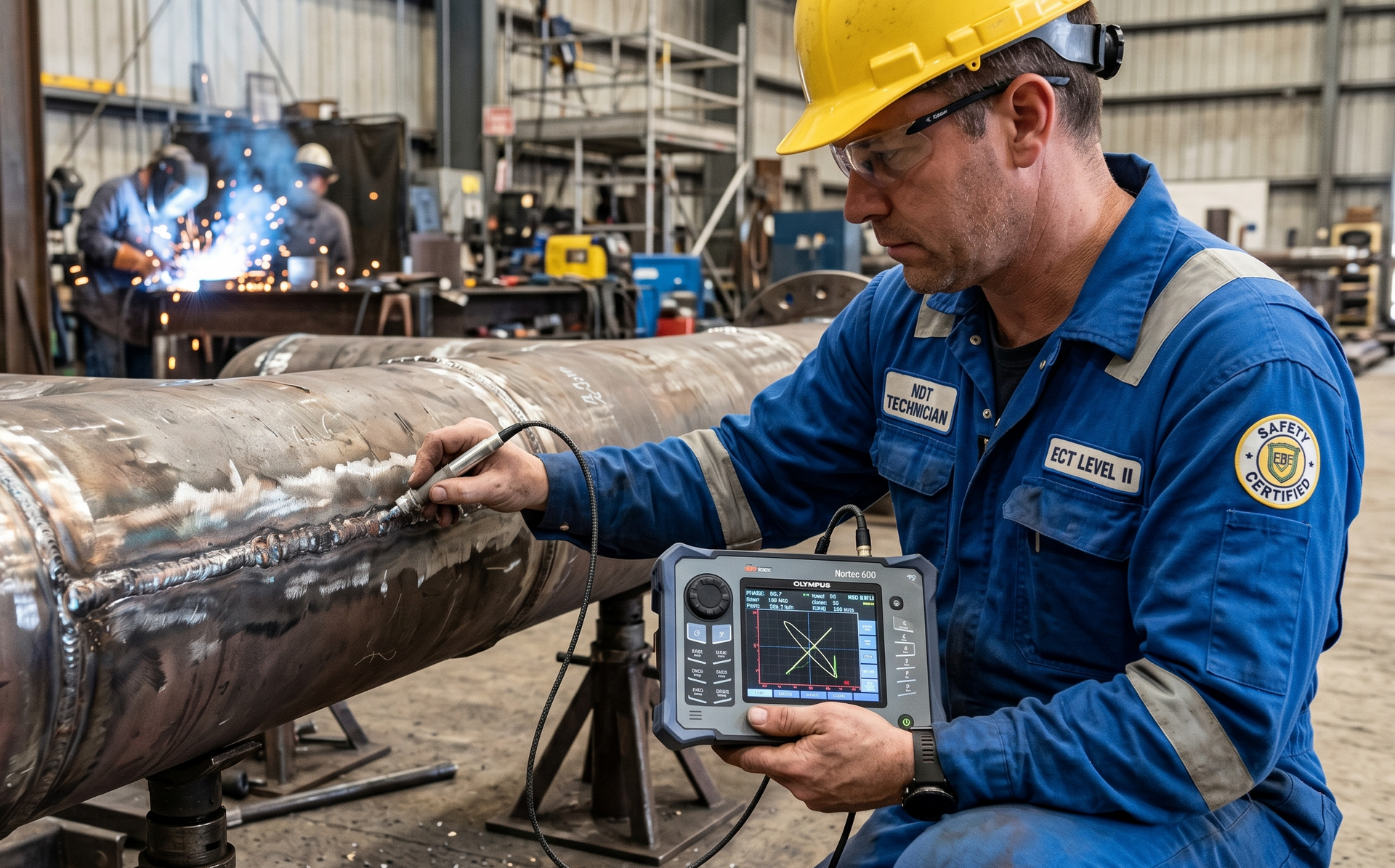
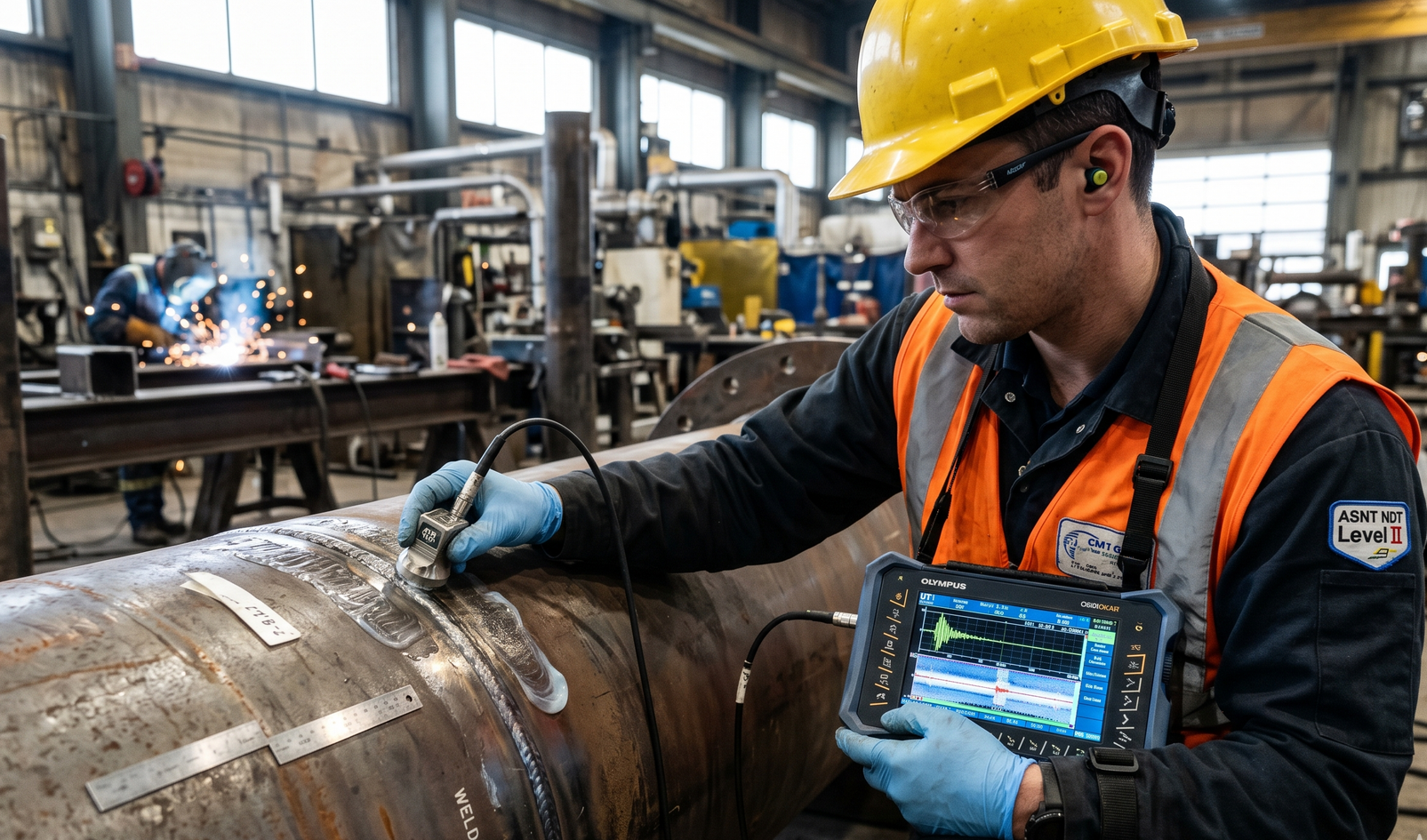
Cornerstone Industries deploys a full suite of state-of-the-art NDT methods, utilizing highly qualified, ASNT-certified technicians to ensure accurate and reliable results across diverse industries.
Reliability in the Toughest Environments
Ensuring Integrity Across Critical Industries
Your operations rely on safety and uptime. Cornerstone's NDT programs are tailored to meet the specific rigorous demands of high-risk sectors.
Inspection compliance achieved with non-certified visual experts?
Ensure regulatory compliance and safety with our certified NDT experts. In today's landscape, trust the validated competence of Cornerstone's certified professionals for unbiased, rigorous technical verification across your critical operations.

Commitment to Quality Verified by Accreditation
Cornerstone's commitment to quality is validated by our accredited NDT laboratories and rigorous adherence to global standards (ASME, API, ASNT). Our state-of-the-art facilities ensure reliable results and regulatory compliance verification you can trust.
Common Industry Questions
Advanced NDT Knowledge Base
What is the difference between NDT and NDE (Non-Destructive Evaluation)?
While often used interchangeably, there is a difference. NDT focuses primarily on the application of specific methods to detect defects (the "testing"). NDE (Non-Destructive Evaluation) is a broader term that encompasses NDT but also involves the integration and interpretation of the test data—alongside material science, structural mechanics, and operational history—to make a final assessment of the overall "fitness-for-service" of the component.
Which NDT method is best for detecting corrosion in a buried pipeline?
There is no single "best" method; it usually requires a tiered approach. Ultrasonic testing (UT) is the primary method for volumetric corrosion measurement to determine actual wall thickness. For rapid, long-range pipeline screening, special screening technologies like MFL (Magnetic Flux Leakage) "intelligent pigs" or Remote Field Eddy Current (RFEC) are excellent starting tools to identify high-risk areas.
Are Cornerstone's NDT technicians certified?
Yes. Unbiased and validated competence is our standard. 100% of Cornerstone NDT technicians hold current certifications from the American Society for Non-Destructive Testing (ASNT) (either central certification or SNT-TC-1A employer-based Level II or III), which are globally recognized standards. We also undergo regular proficiency auditing.
Can NDT be used on operating equipment (in-service)?
Yes, in-service inspection is a major benefit of NDT. Many techniques, particularly digital radiography, acoustic emission, and specialized eddy current, can be performed safely on critical machinery while it is running. This minimizes or eliminates costly operational downtime.
Is NDT Safe?
Yes. NDT is fundamentally safe for both personnel and the assets, as it causes no damage. For methods that use penetrating radiation (Radiographic Testing), strict safety protocols, controlled boundaries, and specialized equipment are used to protect the technicians and the environment. UT, MT, PT, and ECT use sound, light, or electricity at safe levels.